Walking and hut-to-hut holidays in the Alps: where to base yourself
The best walking bases let you choose each morning between an easy lakeside stroll and a big day on the tops, with lifts to take the sting out of the climbs and save your knees on the way down. Some of the best don't need a car at all, and several sit at the start or finish of the great hut-to-hut routes. Here's where we'd go, and how to choose.
- When to goLifts mid/late June to mid-September (many Austrian lifts into October). Staffed huts late June to late September. Popular huts book up months ahead.
Best bases for walking
Walking ratings are ChaletAway's own, with sources on each base page
Summer ratings for these bases are on their way – in the meantime, see the resort guide.

Zermatt
Switzerland
Trains and lifts in every direction, superb signage
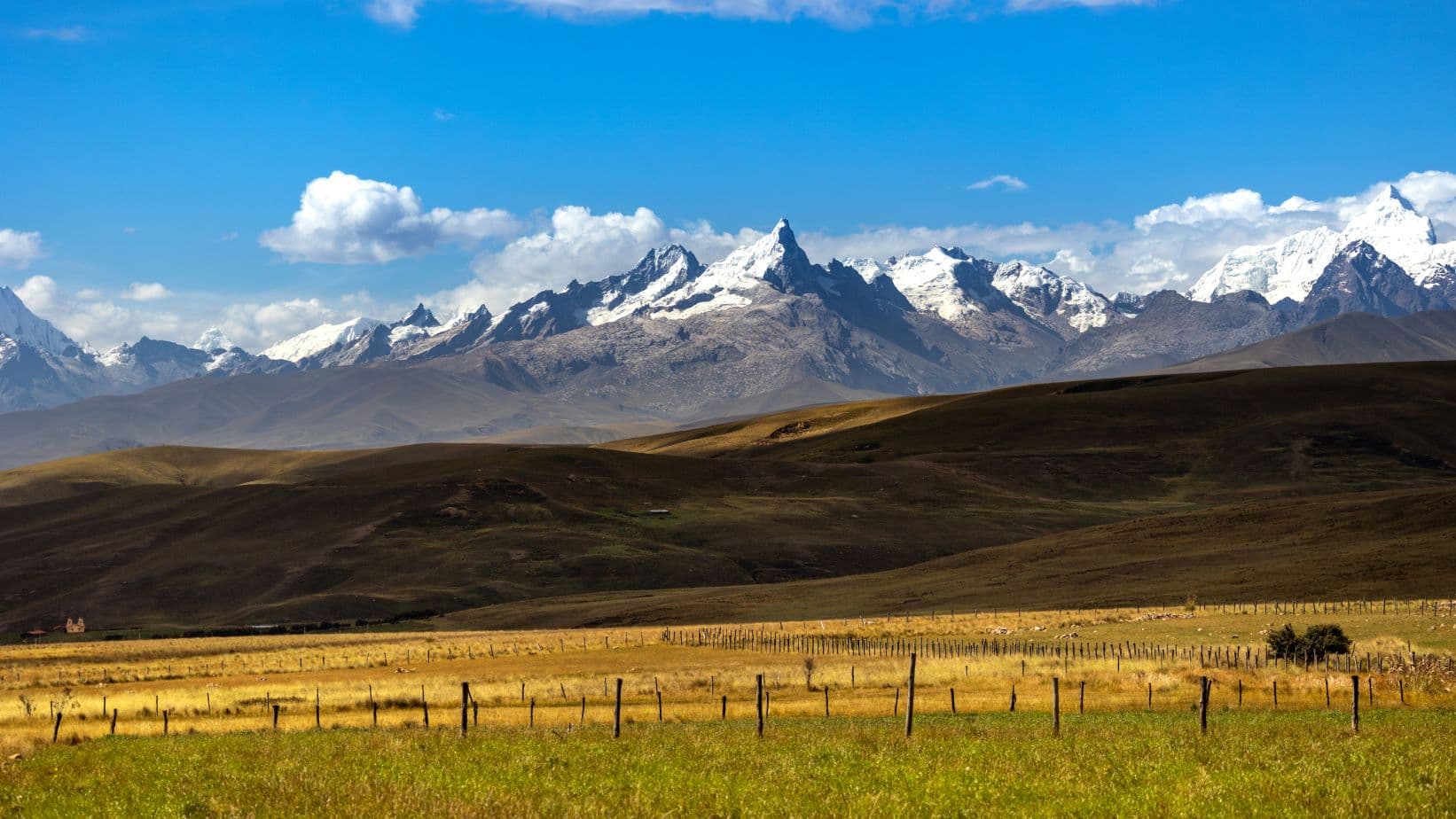
Grindelwald
Switzerland
First, Männlichen and the Eiger Trail from one village
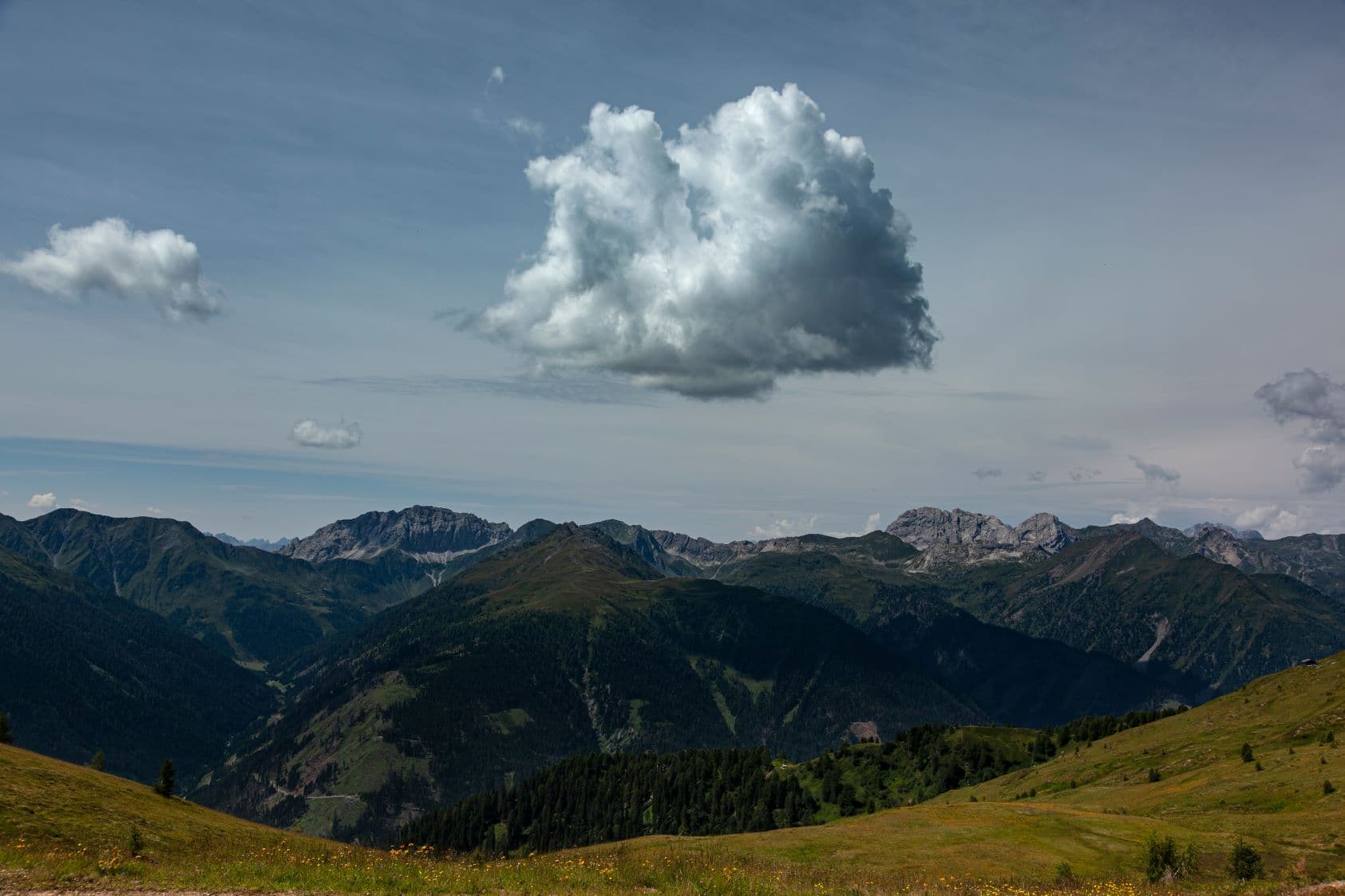
Selva di Val Gardena
Italy
Vallunga strolls to Puez plateau days
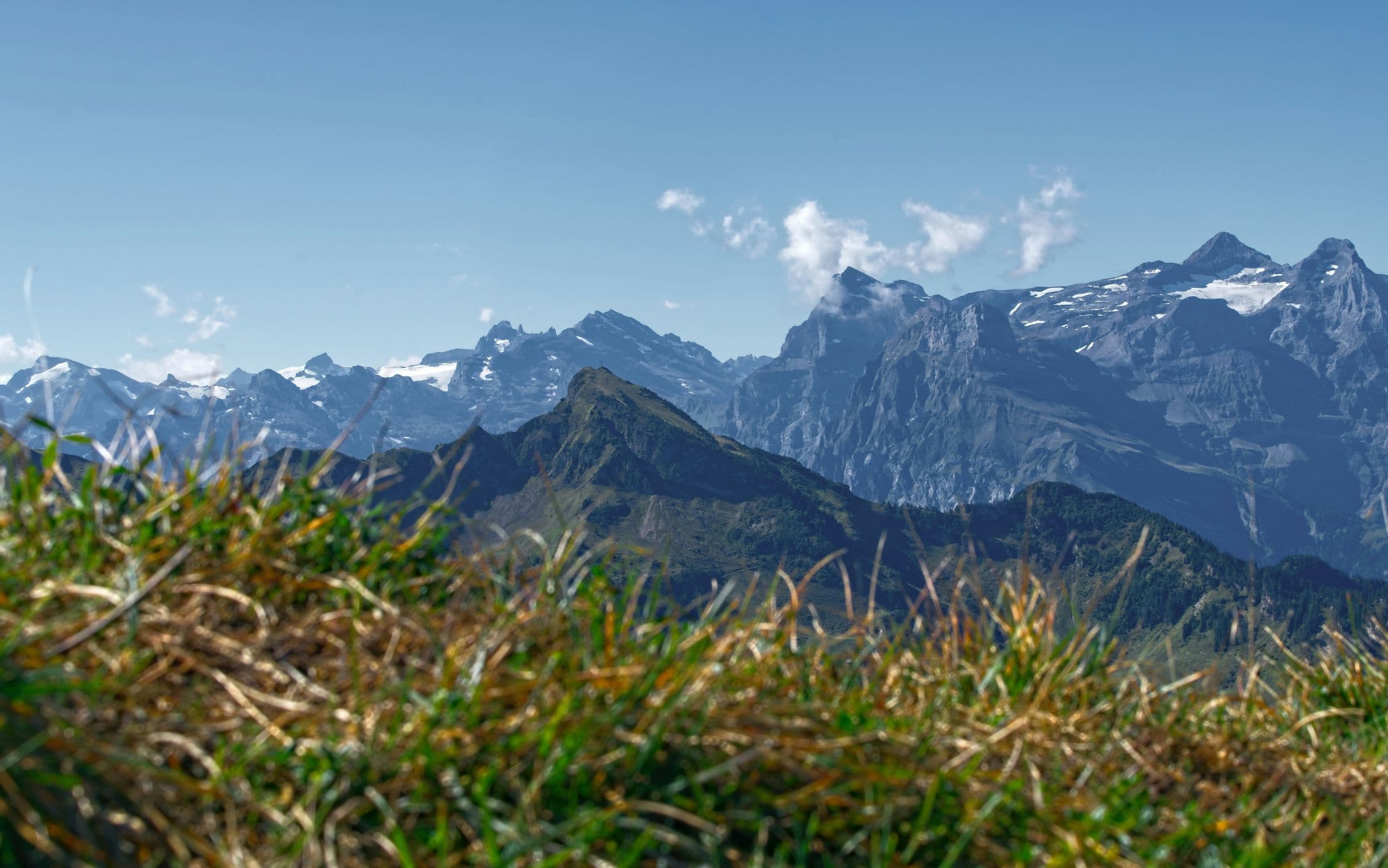
Chamonix
France
Balcony paths facing Mont Blanc; the TMB on the doorstep
Neustift im Stubaital
Austria
Stubai High Trail; lifts on the guest card
Wengen
Switzerland
Car-free terrace village above Lauterbrunnen
Courmayeur
Italy
Val Ferret and the Italian side of the TMB
The best bases for day walks
Zermatt is hard to beat: trains and lifts in every direction and superbly signed paths, with the Five Lakes Walk and the Riffelsee among the classics. Read our Zermatt walking guide. Grindelwald has three lift areas – First, Männlichen and the Eiger Express – and some of the most famous mountain views in Europe; see walking in Grindelwald.
In the Dolomites, Selva di Val Gardena and Alta Badia give you everything from the flat Vallunga to the Puez plateau and the meadows of the Pralongià. In Chamonix, the Flégère and Brévent lifts lead to balcony paths with Mont Blanc opposite you all day. In Austria, Neustift im Stubaital and St. Anton pair lift-served high paths with quiet valley walks.
Car-free villages: Zermatt, Wengen, Mürren and Saas-Fee
Arriving by train and leaving the car behind changes the whole feel of a walking holiday. Zermatt and Saas-Fee are car-free: you leave the car lower down the valley (Täsch for Zermatt) or at the edge of the village (Saas-Fee), or simply come by train and bus. Wengen and Mürren sit on terraces high above the Lauterbrunnen valley and can only be reached by rail or cable car.
All four are quiet in the evenings, with walks that start at the front door. The trade-offs: luggage takes a little planning, and the choice of beds is smaller, so book early for July and August.
Lifts that save your knees
Descents are what wear legs out, so the best bases let you ride down as well as up. Plan a day that climbs on foot in the cool of the morning and finishes at a lift station, or ride up and walk a balcony path across the mountain rather than down it.
In Zermatt, the Gornergrat railway stops at stations on the way down, so you can walk one section and ride the next. In Grindelwald, the Panorama Trail from Männlichen to Kleine Scheidegg runs gently downhill, and the train takes you home. Many Austrian guest cards include the lifts, which makes this way of walking far cheaper.
Hut to hut: the classic routes and where to stay before and after
A night or two in a mountain hut is one of the best things you can do in summer. Book the huts first, then the valley nights either side.
- Tour du Mont Blanc – the loop round Mont Blanc through France, Italy and Switzerland. Most people start from Les Houches, just down the valley from Chamonix, or from Courmayeur.
- Walker's Haute Route – Chamonix to Zermatt over high passes. Stay in Chamonix before you start and treat yourself in Zermatt at the end.
- Alta Via 1 – the classic Dolomites high route, starting at Lago di Braies and passing west of Cortina, which makes a good base for a few days before or after.
- Stubai High Trail (Stubaier Höhenweg) – a hut circuit above Neustift im Stubaital, easy to reach by bus from Innsbruck.
- Berliner Höhenweg – high huts in the Zillertal Alps above Mayrhofen.
Most staffed huts open from late June to late September, and the popular ones fill early for July and August.
Tour du Mont Blanc in 2027: the new booking rules
The Tour du Mont Blanc keeps getting busier, and the way you book it is changing. During 2026, travel outlets including Time Out and AllTrails reported plans to make reservations compulsory for overnight stops on the route from 2027. For the 2026 season, the central refuge booking site opened in mid-October the autumn before.
Details were still being settled when we checked on 17 November 2026, so treat this as a heads-up rather than the rules. Check the official refuge booking site and the local tourist offices before you plan, book your huts as soon as booking opens, and keep your valley nights in Les Houches, Chamonix or Courmayeur cancellable until the huts are confirmed. Our Tour du Mont Blanc accommodation guide covers where to stay before, after and between the huts.
When the huts and lifts open
Most lifts run from mid or late June to mid-September, and many Austrian lifts carry on into October. Staffed huts usually open from late June to late September. Late June can still bring snow on high paths and passes; September is often settled and clear, but some lifts and huts close in mid-September. If you're walking late in the season, check the lift closing date on the base page before you book – we show it with its source. For the month-by-month picture, see when to go to the Alps in summer.
Guest cards that include lifts
In much of Austria, staying with a partner host gets you a guest card with lifts and often buses included – the Stubai Super Card in Neustift and the Zell am See-Kaprun Summer Card, for example. For a walker, that can mean a different lift every day of the week at no extra cost. Terms change from year to year, so we show each card's details with a source and the date we checked. Always confirm with your host before you book.
Gentle walks for families
Not every walk needs to be a big day. Lakeside paths, flat valley walks and lift-served play trails keep younger children happy: Seefeld's plateau paths, the shore of the Zeller See and the Leisee by Sunnegga in Zermatt are good examples. See family, lakes and easy walks for bases chosen with children in mind.
Getting there
Several of the best walking bases are on the railway, so you can leave the car at home: Zermatt, Wengen, Mürren and Grindelwald from the Swiss airports, and Seefeld, Mayrhofen and Zell am See in Austria. Neustift is a bus ride from Innsbruck, and Chamonix is about an hour and a quarter by road from Geneva. Our results show No car needed where a base works well without one. For the Swiss bases, see Switzerland in summer.
Safety and insurance
Afternoon thunderstorms are common in July and August, so start early on big days and be off exposed ground by early afternoon. Carry a waterproof, a warm layer, water and a map, even on a short walk. Check that your travel insurance covers walking at the altitude you plan to reach – some policies set a limit.
Mountain weather changes fast, and lifts, huts and routes can close at short notice – check with the operator or the local guides' office before you set out. For paragliding, canyoning and rafting, go with a licensed school or operator. Make sure your travel insurance covers what you plan to do: many standard policies exclude via ferrata, climbing, mountain biking, paragliding, canyoning, rafting or walking above a set altitude. This is general information, not advice; ChaletAway does not sell or recommend insurance.