The Dolomites in summer: where to stay
Pale rock towers above green meadows, huts that serve proper food, and via ferratas that put ordinary walkers on extraordinary ground – the Dolomites, a UNESCO World Heritage Site since 2009, are unlike anywhere else in the Alps. They're also much busier than they were: foreign visitors have grown sharply in recent years, and the most famous viewpoints now need booking. Choose the right valley and you'll still find quiet paths. Here's how they compare.
- When to goLifts and huts usually mid-June to late September. High routes best from early July. Book Tre Cime parking and Seceda slots ahead in high summer.
Summer bases in the Dolomites
Each base page shows its own ratings, lift dates and sources
Summer ratings for these bases are on their way – in the meantime, see the resort guide.

Selva di Val Gardena
Italy
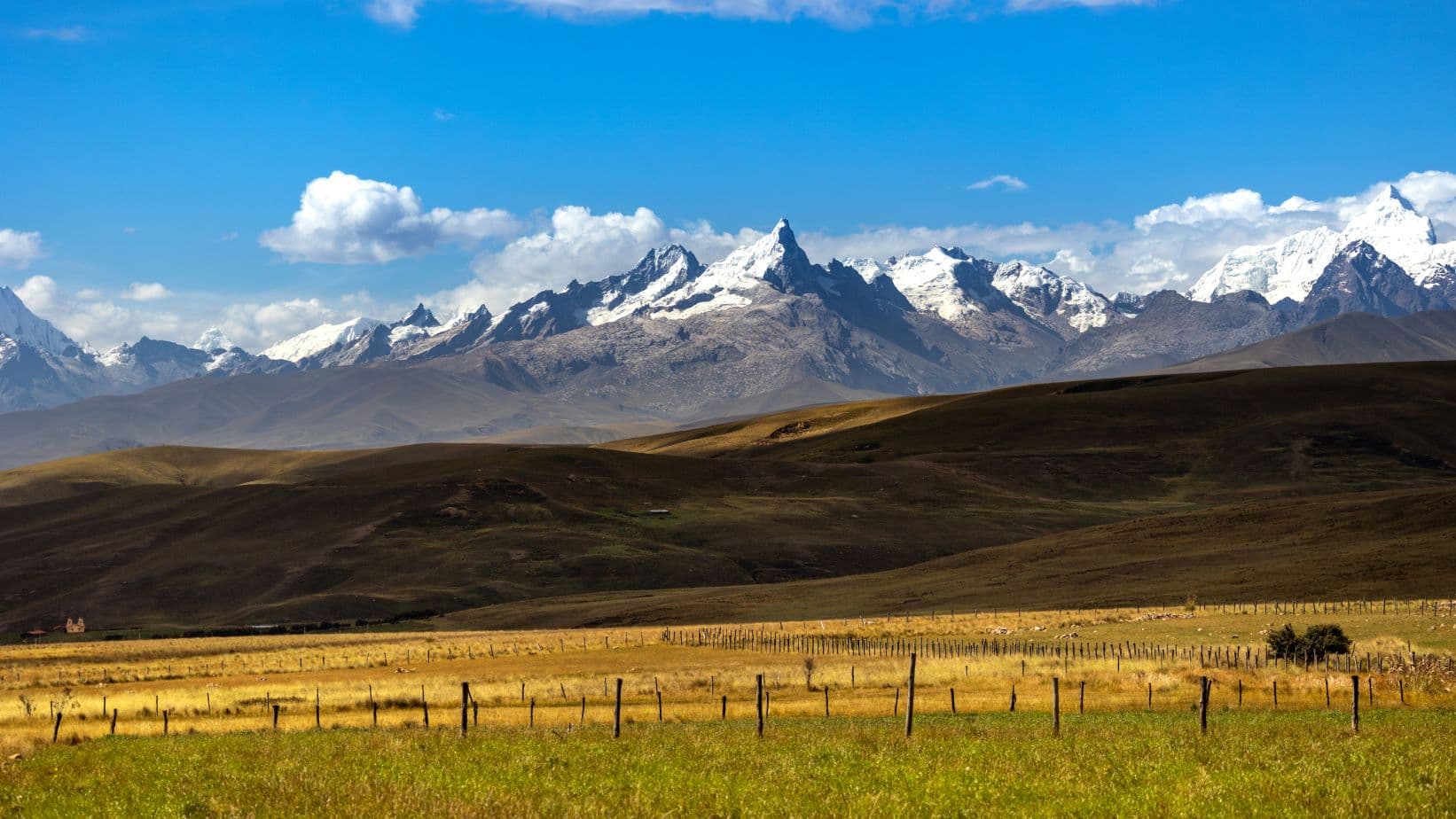
Head of Val Gardena under the Sella and Puez
Ortisei
Italy
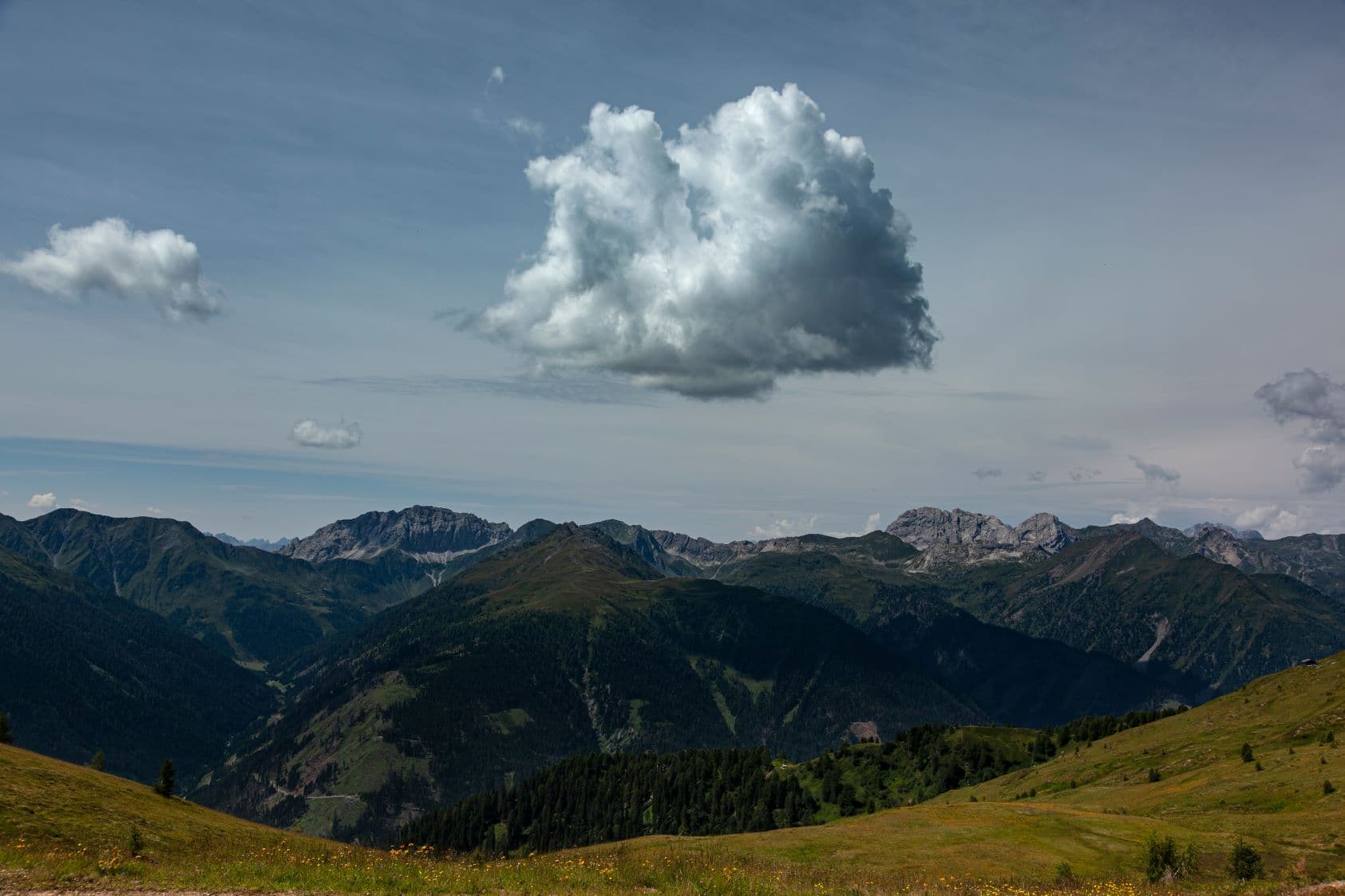
Seceda and Alpe di Siusi lifts from town
Alta Badia
Italy
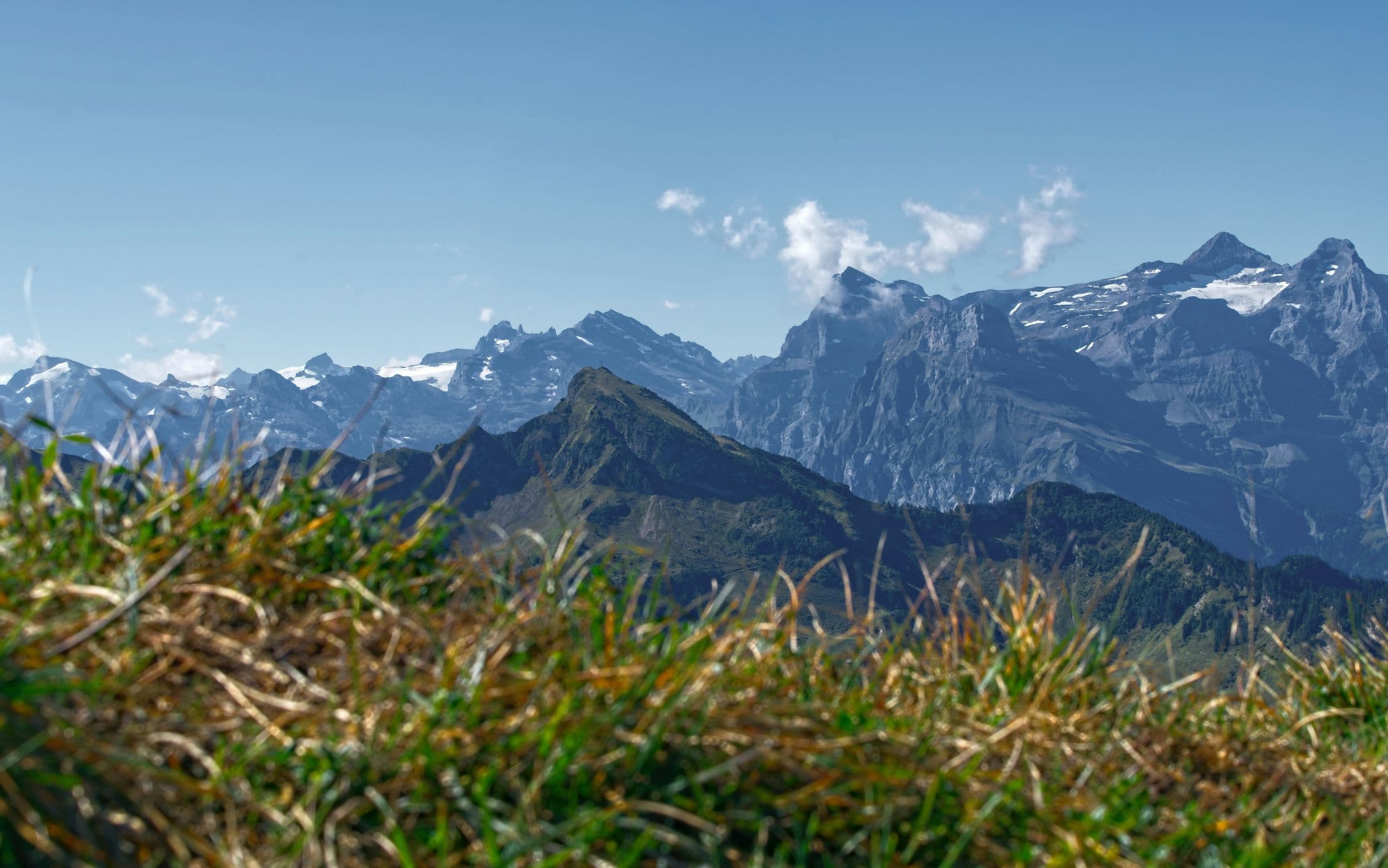
Meadows, big routes and serious food
Cortina d'Ampezzo
Italy
Tofane, Cinque Torri and the Tre Cime nearby
Canazei
Italy
Sellaronda village under the Marmolada
Madonna di Campiglio
Italy
The Brenta's high huts and lakes
Explore by activity
Walking & hiking
Day walks, car-free villages and hut-to-hut routes
Trail running
Training weeks and race trips, lift-served vertical
Mountain biking
Bike parks, opening dates and bike-friendly stays
Road cycling
The great cols, sportives and when the passes open
Via ferrata & climbing
The Dolomites, the Brenta and valley crags
Family & lakes
Lakes to swim in, guest cards and adventure parks
Val Gardena
Selva sits at the head of the valley under the Sella and the Puez, with the Vallunga for easy days and the Passo Gardena for big ones. Ortisei, further down, is the valley's main town, famous for its woodcarving, with lifts to the Seceda and to the Alpe di Siusi, Europe's largest high meadow. Ladin, the old language of these valleys, is still spoken here alongside German and Italian.
Alta Badia
Alta Badia – Corvara, Colfosco, La Villa and San Cassiano – combines gentle meadows on the Pralongià with serious routes on the Sella and the Brigata Tridentina via ferrata above Colfosco. It's a strong all-rounder for families and walkers, and in July the road cyclists arrive for the Maratona dles Dolomites.
Cortina
Cortina d'Ampezzo is the Dolomites' glamorous town, with the Tofane, the Cristallo and the Cinque Torri around it and the Tre Cime di Lavaredo a short drive away. It has the widest choice of restaurants and shops, the Lavaredo Ultra Trail in late June, and some of the best via ferrata in the range. Read our Cortina via ferrata guide.
Val di Fassa
Canazei sits at the head of the Val di Fassa, under the Sella and the Marmolada, the highest peak in the Dolomites. It's on the Sellaronda, with the Pordoi pass above the village, and makes a good, slightly quieter alternative to Val Gardena. Arabba, over the Pordoi, is coming soon as a summer base.
The Brenta
West of the Adige, the Brenta Dolomites are a separate range with their own character. Madonna di Campiglio is the base, with the Via delle Bocchette – a chain of high, exposed via ferratas linking huts – and gentler walks to lakes and waterfalls in the Adamello Brenta nature park.
Via ferrata
The Dolomites are where via ferrata began, and many routes follow First World War lines. Beginners can start on short, lift-served routes around the Cinque Torri or the Sella; experienced parties can link the Brenta's Bocchette or the long classics on the Tofane. For grades, kit and the best bases, see via ferrata and climbing.
Crowds, Seceda booking and Tre Cime parking
The most famous spots have new rules. For summer 2026, parking at the Rifugio Auronzo on the Tre Cime di Lavaredo toll road had to be booked online in advance, and the shuttle bus also needed a booking. The cable car from Ortisei to the Seceda moved to timed, bookable departures for much of its capacity. Rules were still changing when we checked on 17 November 2026, so check the operators' own sites before you go.
To beat the crowds: start early, visit the big names on weekdays, and spend most of your time in the side valleys and on the less famous plateaux, which are quieter and just as beautiful. Our guide to the Dolomites crowds in summer covers the bookings and the quieter valleys in detail.
Food and culture in South Tyrol
South Tyrol mixes Italian and Austrian cooking, so a hut lunch might be dumplings and speck or a plate of pasta, and the wine comes from the Adige valley below. Alta Badia in particular has a reputation for serious cooking, including in some of its mountain huts. Ladin culture, wood carving in Val Gardena and the First World War open-air museums around Cortina add depth on a rest day. See food and wine in South Tyrol, Savoie and Valais for where to eat and drink.
Getting there (Venice, Verona, Innsbruck)
Venice is the usual airport for Cortina, about two hours away by road. Verona suits the Brenta and the Val di Fassa, and Innsbruck is often the quickest way into Val Gardena and Alta Badia over the Brenner. Bolzano has a small airport too. There's no railway to the high valleys, so you'll transfer by road – book a shared or private transfer, or hire a car if you want to explore the passes.
Mountain weather changes fast, and lifts, huts and routes can close at short notice – check with the operator or the local guides' office before you set out. For paragliding, canyoning and rafting, go with a licensed school or operator. Make sure your travel insurance covers what you plan to do: many standard policies exclude via ferrata, climbing, mountain biking, paragliding, canyoning, rafting or walking above a set altitude. This is general information, not advice; ChaletAway does not sell or recommend insurance.