Tour du Mont Blanc: where to stay before, after and between huts (2027 rules)
The huts get the headlines, but most Tour du Mont Blanc trips also need two or three nights in a valley bed. Here is where to put them, and what is changing for 2027.
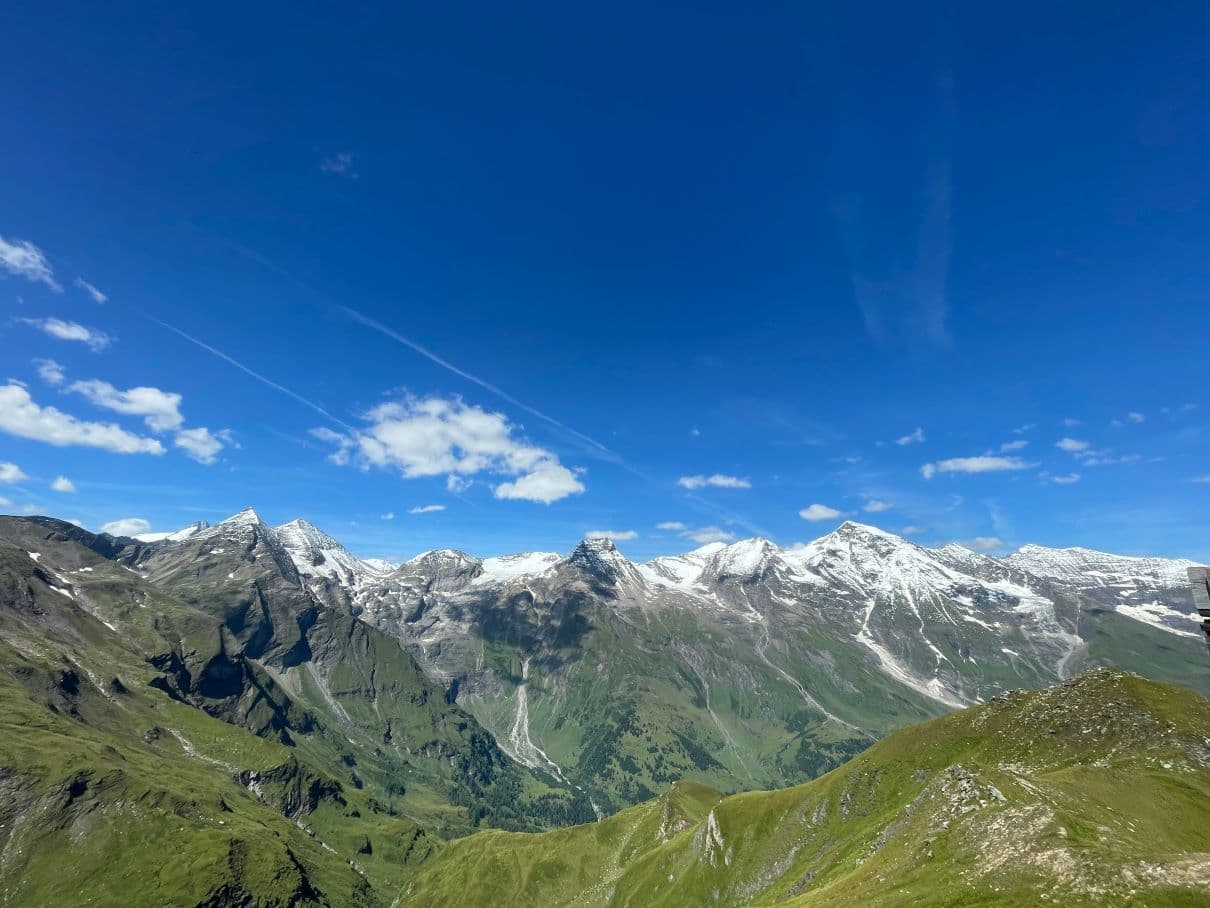
The Tour du Mont Blanc is a hut walk, but it rarely starts or ends in a hut. Most people need a bed the night they arrive, often one in the middle, and one more the night they come down. Get those valley nights right and the hut nights are far easier to plan around.
This guide covers where to sleep at each end, where a rest day makes sense, and what the new booking rules on the French side mean for 2027. For the wider picture of Alpine walking bases, start with our walking and hiking hub.
The route in one paragraph
The TMB is a loop of roughly 170 km around the Mont Blanc massif, with around 10,000 m of climbing, through France, Italy and Switzerland. Figures vary by source and by variant: Wikipedia gives about 165 km and 10,600 m. Most walkers go anticlockwise from Les Houches and take somewhere between 7 and 12 days. The traditional first stage, Les Houches to Les Contamines, is about 16 km (Travesía Pirenaica).
The big decision isn't the route. It's how many nights you have, and so how many valley nights you can afford.
What changes in 2027
Two things are worth knowing before you book anything.
Hut bookings have already opened. The official TMB booking platform opened summer 2027 bookings for all its member refuges on 15 October 2026 (Mon Tour du Mont Blanc FAQ). Only member establishments are on the platform. If a hut isn't listed, you book it directly. Opening dates vary by hut: one listed refuge shows 10 June to 20 September 2027 (Refuge des Mottets). In June and September some huts may not yet be open, or may already be shut.
The French section is moving towards booking for every night. In September 2026, mayors along the route agreed in principle to a charter to regulate access to the Tour du Mont Blanc, according to the French hiking federation (FFRandonnée). Press reports say the aim is to make advance booking of refuges, hotels and campsites the norm in summer from spring 2027, and to ban tents outside approved bivouac areas on the French side (Time Out; Haute-Savoie Tourisme). At the time of writing the detail had not been published, and the reports say it would apply in France only.
What that means in practice: assume you'll need a confirmed bed for every night you spend on French soil, and don't plan to "see how far we get". We'll update this page when the charter is final.
The night before: Les Houches or Chamonix?
Les Houches is the traditional start. Sleep here and you walk out of the door onto stage one, with no bus to catch on day one. It is a quieter village than Chamonix, with fewer restaurants and an earlier night. That suits most people the evening before a big first climb.
Chamonix is the better base if you're arriving late, meeting friends off different flights, or want a day to shake out the legs first. It has the shops (forgotten poles, blister kit, gas), the choice of restaurants and the lifts. A short bus or train ride takes you down the valley to Les Houches in the morning. If you're also tempted by a race, Chamonix is where UTMB week happens. Those are not the same holiday: book around it unless you're there for it.
For a fuller comparison of the town itself, see our Chamonix chalet guide.
Two nights, not one. If you can, spend two nights in the valley at the start. Travel day, then a short walk on the lifts to test boots and packs. In 2026 the Brévent lift ran from 13 June and La Flégère from 20 June to 13 September (seechamonix). Check the 2027 dates before you rely on one.
Between huts: where a valley bed earns its keep
Not every night on the TMB has to be in a dormitory. Several stages finish in villages with hotels, gîtes and the odd chalet, and on the French side these will count as your booked bed under the new rules.
Courmayeur for the rest day. Courmayeur sits roughly at the halfway point if you walk anticlockwise from Les Houches. It is a proper Italian mountain town, with good food and somewhere to wash kit. A rest day here, rather than a zero day in a hut, is the single best upgrade you can make to the trip. Our Chamonix vs Courmayeur guide covers the town in more detail.
Champex on the Swiss side. Champex-Lac is a small lakeside village on the Swiss section. It is a common overnight, and the stage that follows has a choice of a high variant (the Fenêtre d'Arpette) and a lower bad-weather route via Bovine (Travesía Pirenaica). Book a bed that lets you choose on the morning.
Les Contamines on night one. If you start from Les Houches, Les Contamines-Montjoie is the usual end of stage one. It's a village rather than a hut, so you'll find hotels and gîtes as well as refuges.
The night after
Most anticlockwise walkers finish back in the Chamonix valley. Book a valley bed for the final night rather than racing for a same-day flight. Coming off the last stage, you'll want a shower, a proper dinner and a lie-in. It is also your buffer if weather has pushed a stage back a day.
If you've finished early, the valley lifts give you easy days out without another big climb. If you've finished late, you'll be glad of the slack.
Self-guided, guided, or your own plan
- Your own plan. Cheapest and most flexible, but you do the booking, and in 2027 that means every French night confirmed in advance. Start with the official platform and fill gaps directly.
- Self-guided packages. A company books the beds and often moves your main bag between valley nights. Useful if you'd rather walk with a light pack.
- Guided groups. The guide carries the decisions on weather and variants. Worth it for first-timers on the high variants.
Whichever you choose, keep the valley nights at each end in your own hands if you can. That is where a flight delay or a storm hurts most.
When to walk it
The huts set the season. Most open from mid to late June and close in September (Cicerone). Early in the season you may still meet old snow on the high cols. July and August bring the longest days and the biggest crowds. September is quieter, but some huts will already be closing. Our guide to when to go to the Alps in summer covers the trade-offs month by month.
Summer storms tend to build in the afternoon, so start early and plan to be over the high passes by lunchtime (MWIS).
A sensible 2027 checklist
- Fix your dates and direction first.
- Book the huts on the official platform, then any non-member huts directly.
- Book the valley nights at each end: Les Houches or Chamonix before, the Chamonix valley after.
- Add a rest night in Courmayeur if the plan allows.
- Check whether the French charter has been published, and that every French night is confirmed.
- Check your travel insurance covers hut-to-hut walking at the altitudes involved.
Plan the rest of the trip
- Walking and hut-to-hut holidays in the Alps
- Summer holidays in the Alps: find the right base
- Trail running in the Alps
- UTMB race week
- Switzerland in summer
Sources
Checked on 17 November 2026. Rules for 2027 were still being finalised; check the official sites before you book.
- Mon Tour du Mont Blanc – FAQ and booking platform
- Mon Tour du Mont Blanc – Refuge des Mottets
- FFRandonnée – charter to regulate access to the TMB
- Time Out – TMB reservations from 2027
- Haute-Savoie Tourisme – access to the TMB to be regulated
- Wikipedia – Tour du Mont Blanc
- Travesía Pirenaica – Tour du Mont Blanc stages
- seechamonix – Chamonix valley lift dates
- Cicerone – planning your first hut-to-hut trip
- MWIS – thunderstorm risk in the mountains
Related articles
Rafting, canyoning and paragliding in the Alps: the best bases for adventure days
Most people don't choose a base for one adrenaline day, but the right base makes it easy. Here is where to raft, canyon and fly tandem in the Alps.
The best Alpine resorts for a summer holiday, by activity
The best summer resort depends on what you want to do all week. Here are our picks for walkers, runners, climbers, riders, cyclists, families and anyone who mainly wants a slower pace.
The Dolomites in summer without the crowds: bookings, parking and quieter valleys
The Dolomites are busier than ever in summer, and some famous spots now need a booking. Here is what has changed, and how to plan a week that still feels like the mountains.