Switzerland in summer: the best Alpine bases
Switzerland does summer in the mountains with a precision nobody else matches. Trains meet buses meet cable cars, often to the minute, and some of the best villages don't allow cars at all. That makes it the easiest place in the Alps to have a summer holiday without driving – you can travel from London to a car-free village by rail – and the high walks, glaciers and scenic railways are as good as anywhere. Here's how the main regions differ, and where we'd stay.
- When to goSummer lifts usually June to October – dates vary by base. The Gornergrat and Jungfrau railways run most of the year. Book Glacier Express seats ahead.
Summer bases in Switzerland
Each base page shows its own ratings, lift dates and sources
Summer ratings for these bases are on their way – in the meantime, see the resort guide.

Zermatt
Switzerland
The Matterhorn, car-free streets and glacier skiing
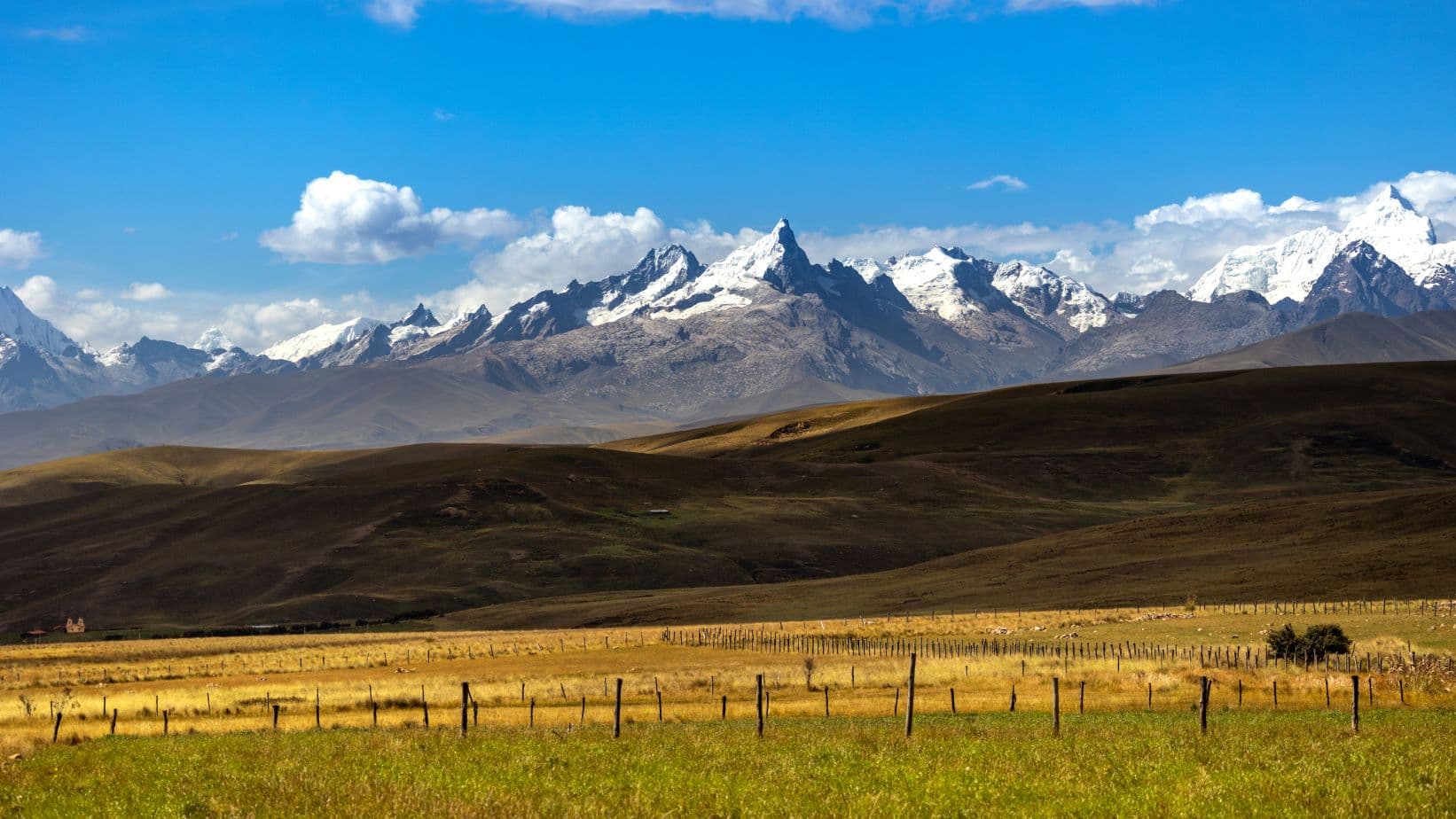
Grindelwald
Switzerland
The Eiger above the village; three lift areas
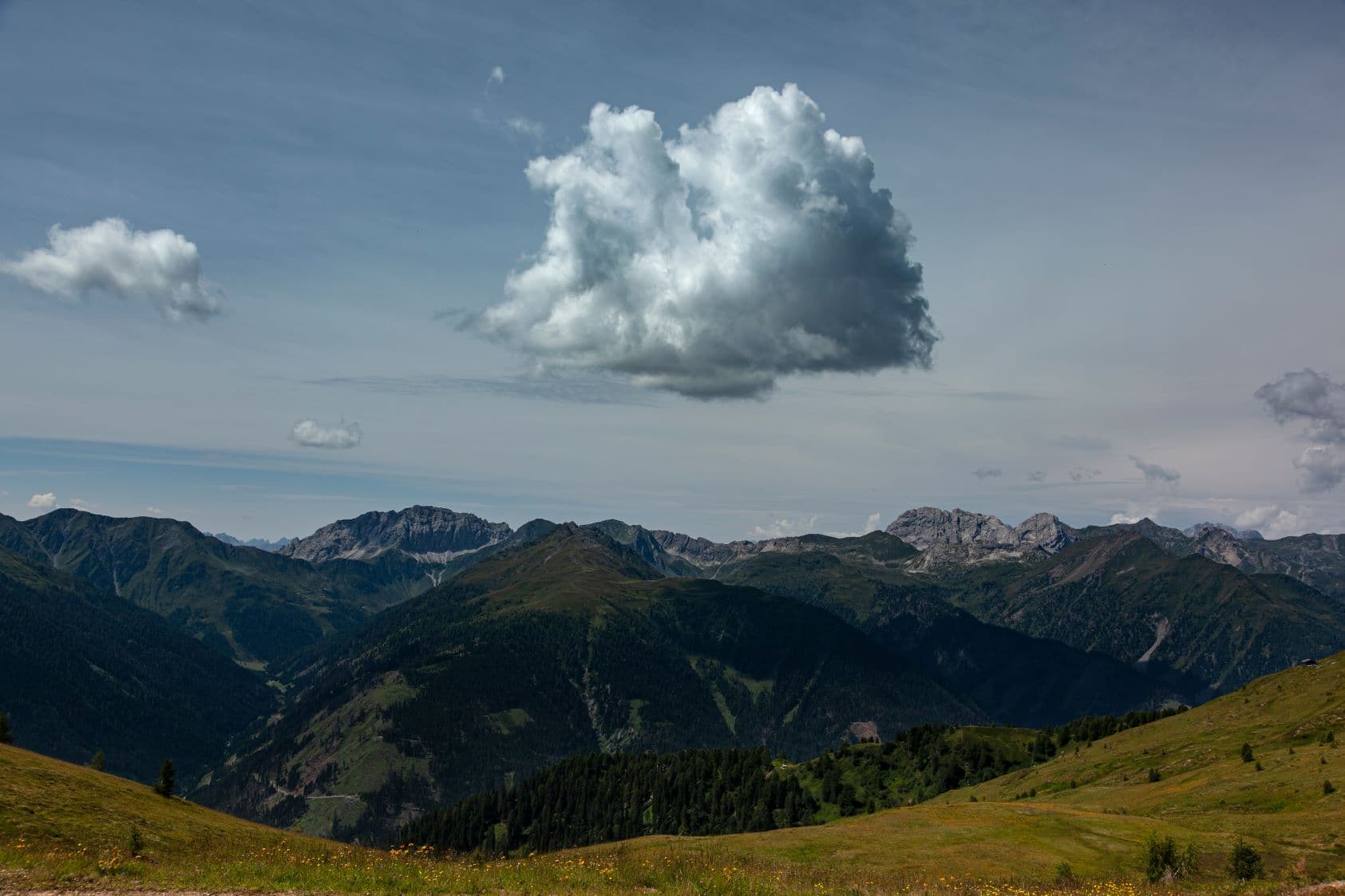
Wengen
Switzerland
Rail-only village facing the Jungfrau
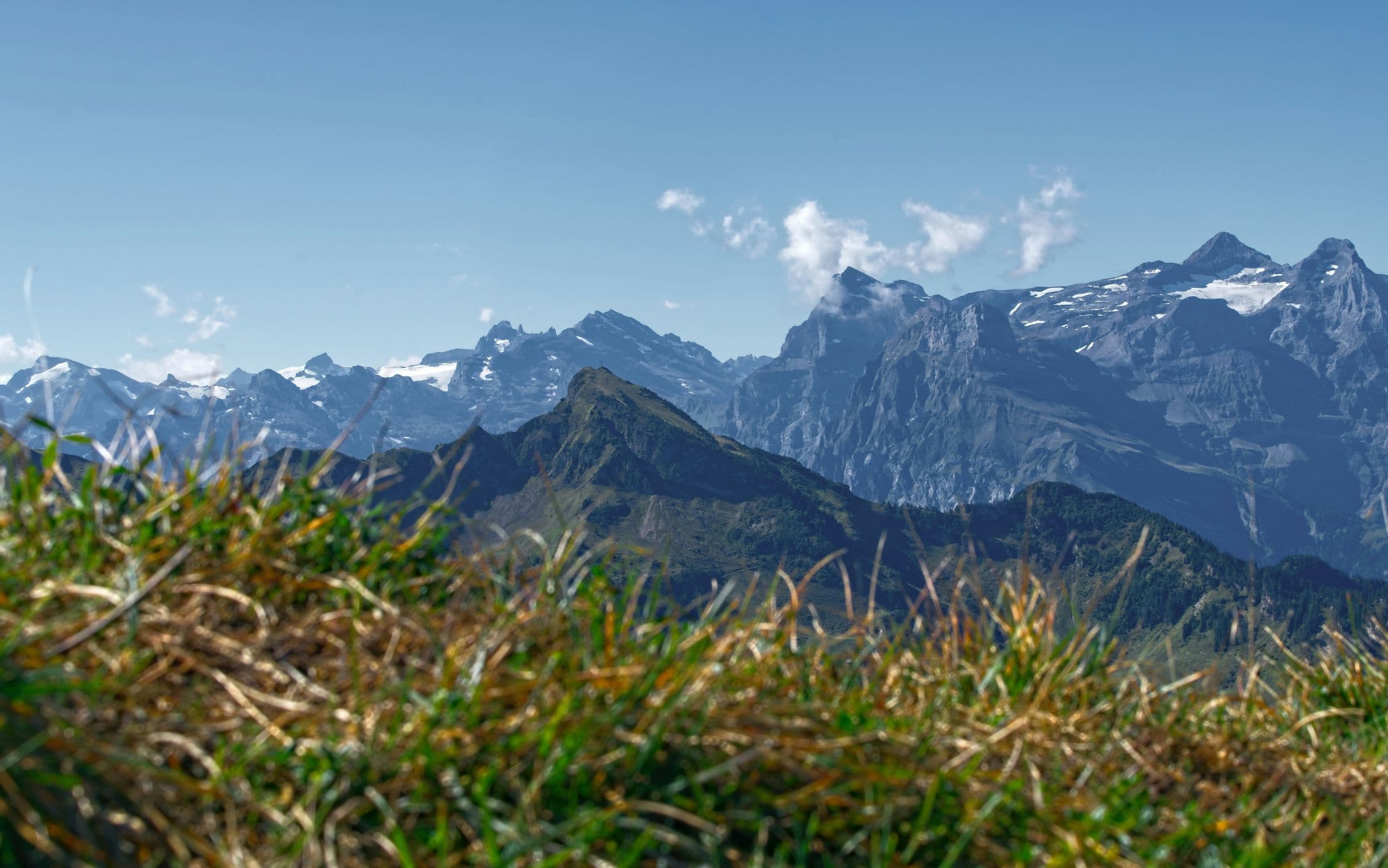
Mürren
Switzerland
Cliff-top village under the Schilthorn
Saas-Fee
Switzerland
Car-free, quieter, ringed by glaciers
St. Moritz
Switzerland
Engadin lakes and the scenic railways
Verbier
Switzerland
Big Valais terrain with a train to the gondola
Explore by activity
Walking & hiking
Day walks, car-free villages and hut-to-hut routes
Trail running
Training weeks and race trips, lift-served vertical
Mountain biking
Bike parks, opening dates and bike-friendly stays
Road cycling
The great cols, sportives and when the passes open
Via ferrata & climbing
The Dolomites, the Brenta and valley crags
Family & lakes
Lakes to swim in, guest cards and adventure parks
The Jungfrau region
Three bases share the Eiger, Mönch and Jungfrau. Grindelwald is the biggest, with three lift areas and the Eiger's North Face above the village. Across the valley, Wengen and Mürren are car-free villages on sunny terraces above Lauterbrunnen, reached only by rail or cable car. The railway to the Jungfraujoch, the Schilthorn above Mürren and the Panorama Trail between Männlichen and Kleine Scheidegg are the classics. Interlaken and Lauterbrunnen themselves aren't ChaletAway bases, but they're an easy day trip from all three.
Zermatt and Saas-Fee
Zermatt needs no introduction: the Matterhorn, a car-free village and the best-signed walking in the Alps, plus summer glacier skiing on the Theodul glacier when conditions allow.Saas-Fee, in the next valley east, is car-free too, quieter and ringed by glaciers. Both are at the end of the line, so they feel remote, but you can reach them by train and bus from Geneva or Zurich. Read our Zermatt walking guide.
The Engadin
St. Moritz sits in the Upper Engadin, a high, wide valley strung with lakes, where the light is famously clear. In summer the lakes are busy with sailing and windsurfing, the walking is gentle and high, and road cyclists have the Julier, Albula and Bernina passes on the doorstep. St. Moritz is also one end of both the Glacier Express and the Bernina Express.
Scenic trains and cable cars
The Glacier Express links Zermatt and St. Moritz in about seven and a half to eight hours, and seat reservations are compulsory for everyone, even with a rail pass. The Bernina Express runs from St. Moritz over the Bernina Pass to Tirano in Italy. Shorter but just as memorable: the Gornergrat railway from Zermatt, the Jungfrau railway from Kleine Scheidegg and the cable car from Mürren to the Schilthorn.
Most people ride these as a day out rather than a way to get somewhere, so base yourself at one end and come back the same way – or plan a two-centre holiday with a base at each end. Not sure which to ride? Read Glacier Express or Bernina Express?
Guest cards vs the Swiss Travel Pass
Many Swiss resorts give overnight guests a local card with free buses and discounts on lifts and activities; the details vary, so check with your host. The Swiss Travel Pass is a different thing: a national rail pass covering trains, buses and boats, with some mountain railways included and discounts on many others. If you're staying in one base and using its lifts, the local card plus individual lift tickets is usually the better deal. If you're moving between regions, or riding the scenic trains, the national pass often wins. Compare both for your own plans before you buy.
Thermal baths (Leukerbad)
Leukerbad, in the Valais, is a spa town built around its hot springs, with big public thermal pools looking up at the cliffs of the Gemmi. It isn't a ChaletAway summer base yet, but it's a good day out from the Valais. Several other Swiss bases have wellness centres and pools – useful on a wet day. See thermal baths in the Alps for Leukerbad and the other spa towns.
Getting there by train from London
Take Eurostar to Paris, then a fast train to Geneva, Lausanne, Basel or Zurich, and Swiss trains do the rest: Zermatt, Grindelwald, Wengen and Mürren are all at the end of a rail line, and Saas-Fee is a bus ride from the station at Visp. By air, Geneva suits Zermatt and Verbier, Zurich suits the Jungfrau region and the Engadin, and Basel is another option. From the airports, the train is usually the easiest transfer – Geneva and Zurich airports both have their own stations. Our results show No car needed where a base works well without one.
Mountain weather changes fast, and lifts, huts and routes can close at short notice – check with the operator or the local guides' office before you set out. For paragliding, canyoning and rafting, go with a licensed school or operator. Make sure your travel insurance covers what you plan to do: many standard policies exclude via ferrata, climbing, mountain biking, paragliding, canyoning, rafting or walking above a set altitude. This is general information, not advice; ChaletAway does not sell or recommend insurance.