Via ferrata and climbing in the Alps: the best bases
A via ferrata – an iron way of cables, rungs and ladders – lets you get onto big rock faces with a harness and a pair of lanyards rather than ropework. Some are gentle half-days; others are long, exposed and serious. Climbers need the opposite: good rock, a long season and crags close to the beds. Here's where to go for both.
- When to goHigh routes: early July to late September. Valley routes and sunny crags: late spring into October.
Best bases for via ferrata
Via ferrata ratings are ChaletAway's own, with sources on each base page
Summer ratings for these bases are on their way – in the meantime, see the resort guide.

Cortina d'Ampezzo
Italy
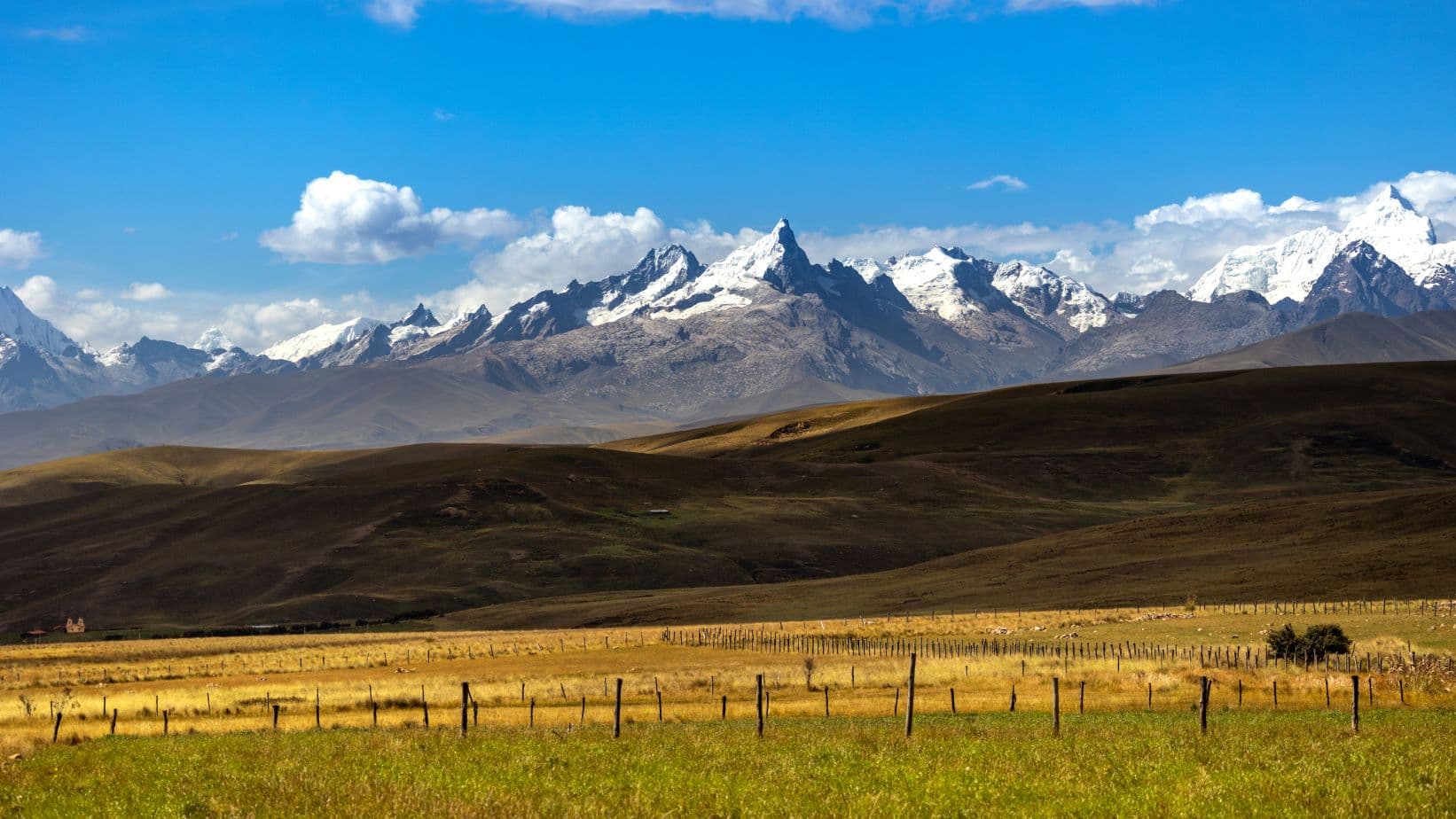
First World War routes on the Tofane and Cinque Torri
Alta Badia
Italy
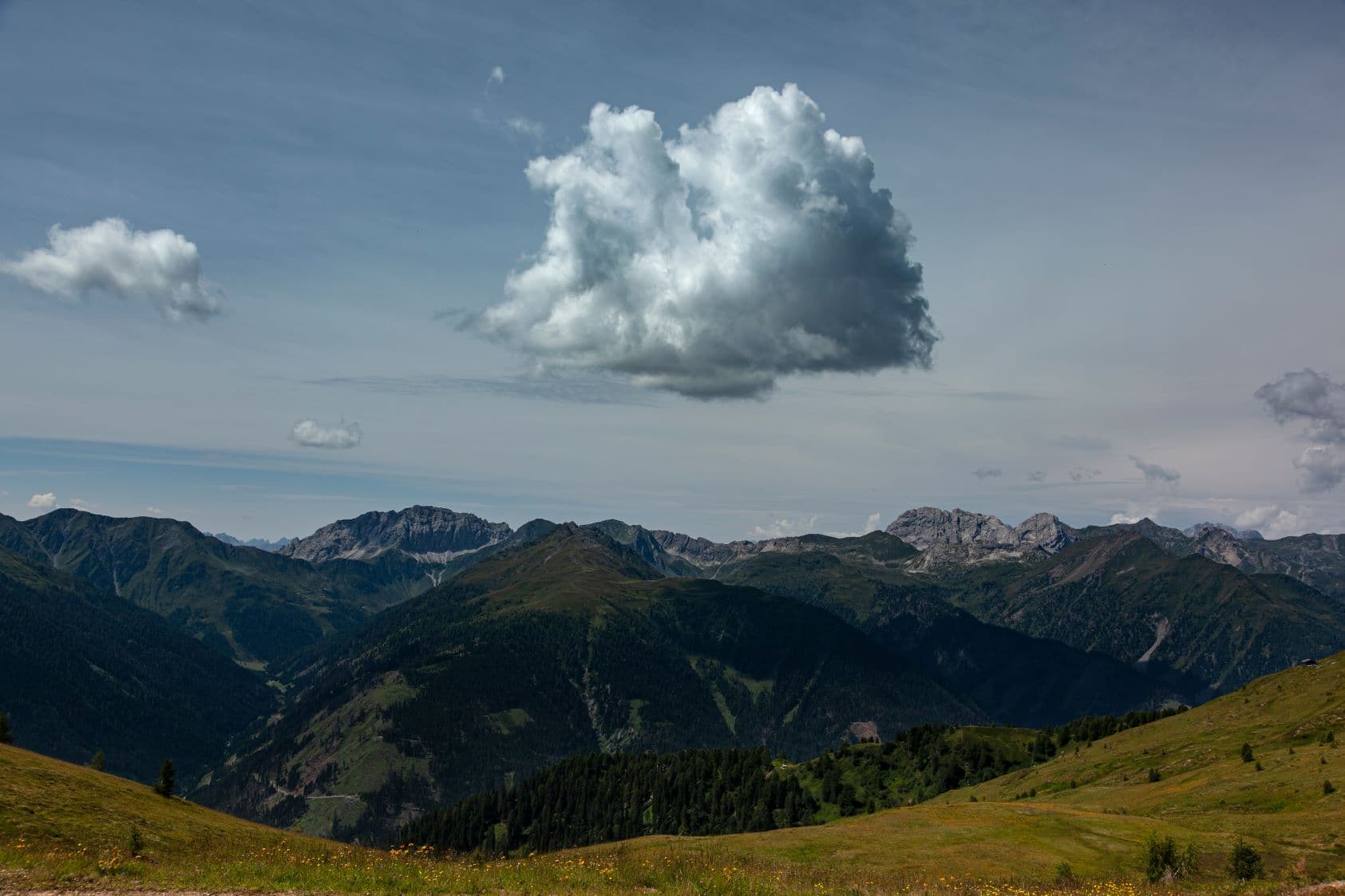
Brigata Tridentina above Colfosco
Madonna di Campiglio
Italy
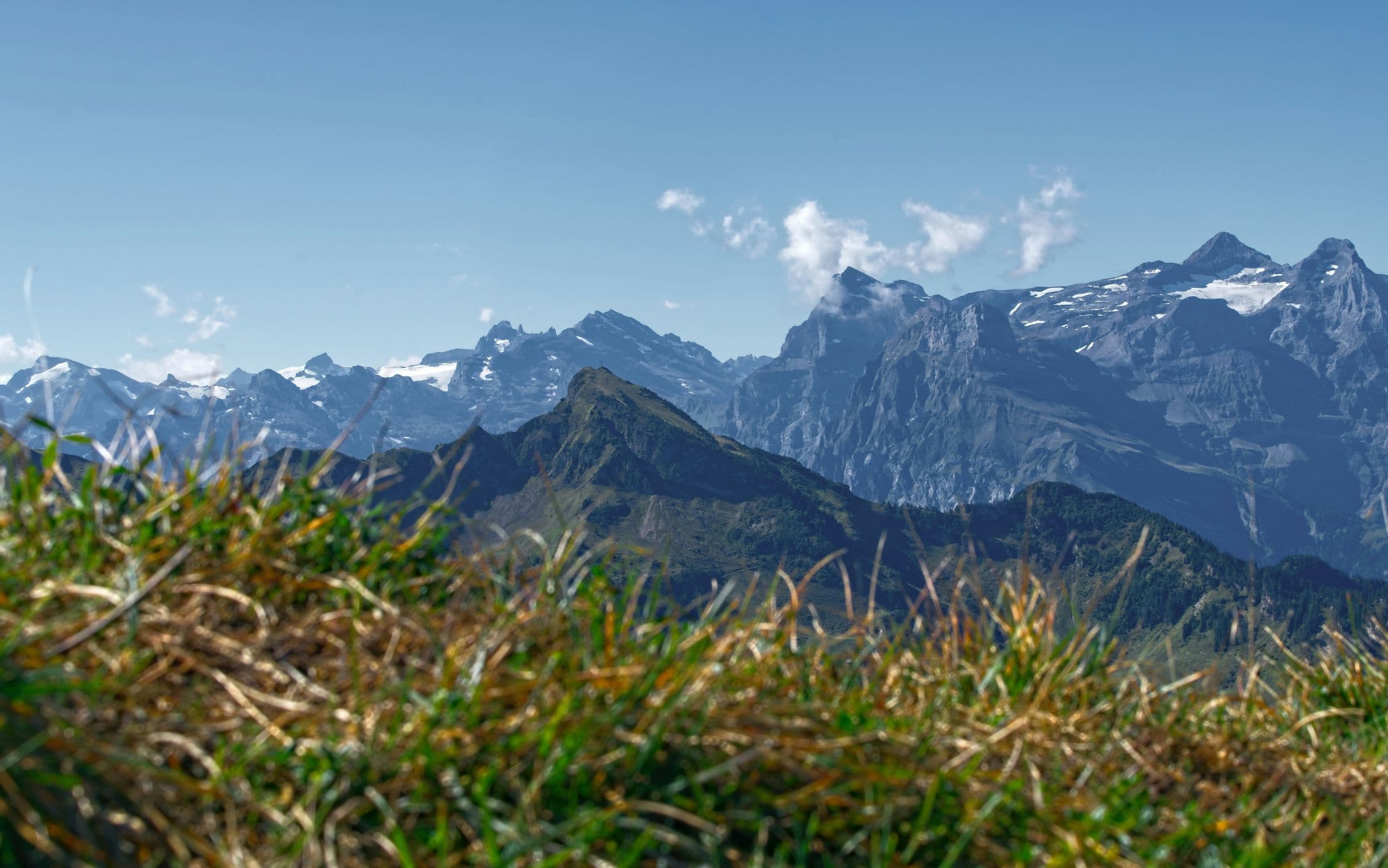
Via delle Bocchette through the Brenta
Selva di Val Gardena
Italy
Sella Towers and the Passo Gardena
Canazei
Italy
Val di Fassa routes with the Padon ridge nearby
Chamonix
France
Valley crags to Mont Blanc granite
Neustift im Stubaital
Austria
Two Elfer routes from one lift
The best bases for via ferrata
The Dolomites are the home of via ferrata, and four bases stand out: Cortina d'Ampezzo for history and variety, Alta Badia and Selva di Val Gardena for the Sella and Puez groups, and Madonna di Campiglio for the Brenta. Canazei in the Val di Fassa is a quieter alternative. Outside Italy, Tyrol's valleys have short, well-equipped routes close to the road, and Switzerland has some memorable one-offs.
Grades explained (A–E and the Italian scale)
Most Austrian and many German-language guides grade via ferratas from A (easy, mostly walking with a cable) to E (very hard, steep and strenuous). Italian guidebooks often use their own words or numbers, from facile (easy) upwards, and French routes use F, PD, AD, D, TD and ED. Grades describe the hardest move, not the length or the exposure, so read the route description too: a long B at altitude can be a bigger day than a short, steep C near the road.
Your first via ferrata: easy routes, hiring kit, booking a guide
Start with an A or B route, even if you climb indoors. You'll need a helmet, a harness and a via ferrata lanyard set with an energy absorber; most bases have shops that hire them, and kit should be in date and meet current standards. A guided first day is the safest way to learn how to clip, rest and move efficiently, and most bases have a guides' office that runs small-group days. Choose a route with an easy escape and a lift for the approach, and give yourself time: the first route always takes longer than the guidebook says.
The Dolomites: Cortina, Alta Badia, Val Gardena, the Brenta
Cortina has routes on the Tofane, the Cristallo and around the Cinque Torri, many following First World War lines. Read our Cortina via ferrata guide.
Alta Badia and Selva share the Sella massif and the Passo Gardena. The Brigata Tridentina, above Colfosco, is one of the most popular routes in the range – start early in August. From Canazei, the Val di Fassa routes are close at hand, and the Via ferrata delle Trincee on the Padon ridge above Arabba is a classic airy outing.
Madonna di Campiglio has the Via delle Bocchette, a system of high, exposed routes linking huts in the Brenta. It is a serious undertaking; a guide is worth it if you are new to this kind of ground.
The best-known routes are busy in July and August: read how to beat the Dolomites crowds before you plan.
Austria and Switzerland: Zillertal, Stubai, Mürren
Tyrol has many valley via ferratas that are easy to reach. Around Mayrhofen, the Pfeilspitzwand and Astegg routes near Zimmereben make a good training day. In Neustift, the Elferkofel (C) and the Elfer Nordwand (C/D) start near the top of the Elferbahn and are often combined. From Sölden, there are routes down the Ötztal at Längenfeld and Umhausen.
In Switzerland, the via ferrata from Mürren to Gimmelwald runs along the cliffs above the Lauterbrunnen valley, and Zermatt has the three-section Schweifinen route, from beginner to hard, a short walk from the station.
Rock climbing and valley crags
Chamonix has everything from roadside valley crags to the granite of the Mont Blanc massif, and the biggest guiding community in the Alps. Serre Chevalier puts you in the sunny Briançonnais, with Ailefroide's granite about 45 minutes away. In the Dolomites, the Cinque Torri above Cortina and the Sella Towers near Selva are classic multi-pitch playgrounds, with short approaches from the lifts and the passes. For a different kind of adventure day, see canyoning, rafting and paragliding in the Alps.
When the routes are in condition
High via ferratas in the Dolomites and the Brenta are usually best from early July to late September, once the snow has gone; lift-served approaches depend on lift dates. Valley routes and sunny crags can be good from late spring into October. Afternoon thunderstorms are the main hazard in high summer: a steel cable is the last place you want to be in lightning, so start early and check the forecast. If you're planning a shoulder-season trip, check each base's lift dates first.
Insurance
Many standard travel policies exclude via ferrata and climbing, or only cover them with a guide. Check yours before you go, and consider mountain rescue cover: helicopter rescue in the Alps can be very expensive.
Mountain weather changes fast, and lifts, huts and routes can close at short notice – check with the operator or the local guides' office before you set out. For paragliding, canyoning and rafting, go with a licensed school or operator. Make sure your travel insurance covers what you plan to do: many standard policies exclude via ferrata, climbing, mountain biking, paragliding, canyoning, rafting or walking above a set altitude. This is general information, not advice; ChaletAway does not sell or recommend insurance.