Chamonix Chalet Holiday Guide: Where to Stay and Who It Suits
A practical guide to Chamonix's separate ski areas, valley villages, transfers and chalet locations for UK travellers.
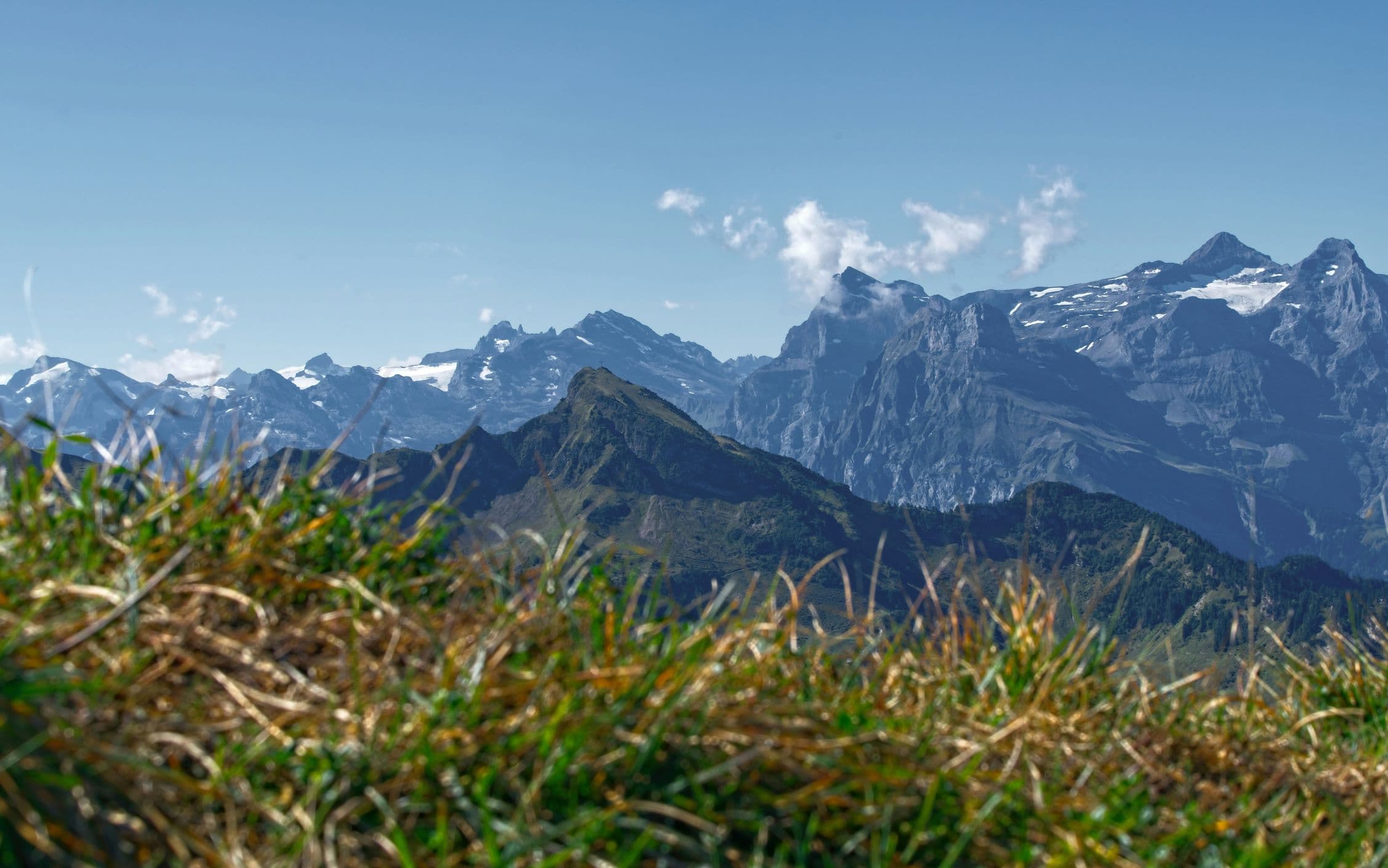
A Chamonix holiday is easy to misunderstand. The name is used for a town, a commune and a long mountain valley containing several villages and separate ski areas. Booking a chalet labelled “Chamonix” without checking its exact location can leave you beside the wrong lift, dependent on buses or several kilometres from the atmosphere you expected.
This Chamonix chalet holiday guide explains the valley for UK travellers choosing where to stay. It covers the main villages, ski areas, airport access, suitability for beginners and families, and the trade-offs between a central base and accommodation closer to a particular sector.
Chamonix is in Haute-Savoie in France, close to Switzerland and Italy. It sits beneath the Mont Blanc massif, but it is not a conventional purpose-built resort with one lift network rising from a single centre. That distinction should shape every accommodation decision.
Chamonix chalet holiday guide: understand the valley first
The Chamonix-Mont-Blanc Valley runs through several settlements, including Les Houches, Chamonix town, Les Praz, Argentière, Le Tour and Vallorcine. Smaller residential areas such as Les Bossons and Les Tines also appear in accommodation searches.
The principal ski sectors are spread along the valley:
- Les Houches–Saint-Gervais, accessed from Les Houches;
- Brévent–Flégère, accessed from Chamonix and Les Praz;
- Grands Montets, accessed from Argentière;
- Balme–Vallorcine, accessed from Le Tour and Vallorcine;
- smaller beginner areas including Le Savoy, Les Planards, La Vormaine and Le Tourchet.
The official Chamonix tourism site lists these as distinct ski areas rather than one continuous piste network. Travelling between them normally involves a bus, train or car rather than skiing from one sector to another. See the official overview of Chamonix ski areas when checking current operations.
That fragmented layout is not automatically a disadvantage. It gives the valley varied terrain, different orientations and several village choices. It does mean that “close to the slopes” is incomplete information.
Where should you stay in Chamonix?
| Base | Best suited to | Main ski access | Atmosphere and facilities | Main trade-off |
|---|---|---|---|---|
| Chamonix town centre | First-time visitors; non-skiers; groups wanting restaurants and nightlife | Brévent plus local beginner areas; transport to other sectors | The widest choice of shops, restaurants and evening activity | Busy, potentially noisy and not beside every ski sector |
| Les Praz | Couples; families; visitors prioritising Flégère | Flégère lift | Quieter village feel with reasonable access to Chamonix | Fewer evening choices than the town centre |
| Argentière | Strong skiers; groups focused on Grands Montets | Grands Montets | Mountain village with local services | Farther from central Chamonix and not the easiest default for beginners |
| Les Houches | Families; beginners; drivers; groups wanting a more self-contained base | Les Houches–Saint-Gervais | Separate village with shops and services | Requires transport for Chamonix's other ski sectors and nightlife |
| Le Tour | Families; beginners; quieter holidays | Balme and La Vormaine | Small, peaceful village close to gentler terrain | Limited shops and evening options |
| Vallorcine | Quiet-seeking couples and families | Balme–Vallorcine | Remote, scenic and village-led | Longest journey to central Chamonix and fewer fallback options |
| Les Bossons or Les Tines | Visitors prioritising space, parking or value | Bus, train or car to lifts | Residential and quieter | Daily transport is usually part of the arrangement |
Chamonix town centre
Central Chamonix is the safest base for visitors who want a lively town, straightforward access to restaurants and independence for non-skiers. Le Savoy beginner area sits close to the centre, and Brévent is accessed from above the town. The official beginner guide describes Le Savoy as a central introductory area with gentle slopes.
The compromise is that central accommodation does not provide doorstep access to Grands Montets, Balme or Les Houches. A chalet can be central for dinner but inconvenient for the sector your ski school uses.
Les Praz
Les Praz sits north-east of Chamonix and provides access to Flégère. It is a sensible compromise for visitors wanting a quieter base without moving far into the upper valley. Check the walking route carefully: a property described as being in Les Praz can still be some distance from the lift.
Argentière
Argentière is the logical base for skiers who expect to spend substantial time at Grands Montets. The official resort description emphasises its large vertical range and more serious mountain character. That makes it attractive to confident skiers, but it should not be selected merely because the group has heard Chamonix is “for experts”.
A mixed group staying in Argentière needs a realistic plan for beginners, non-skiers and evening travel. Compare chalets in Argentière and the wider Chamonix Valley.
Les Houches
Les Houches is a separate village at the lower end of the valley. Its ski area contains terrain for varied abilities and local beginner provision at Le Tourchet. It often works better than central Chamonix for families who want a more contained routine.
The weakness is access to the rest of the valley. A family booking lessons in Les Houches should usually stay there rather than commuting from Argentière because the map looked deceptively compact.
Le Tour and Vallorcine
Le Tour gives access to the Balme sector and the small La Vormaine beginner area. Vallorcine accesses the other side of Balme and offers a quieter setting near the Swiss border. Both suit visitors who value mountain calm over central nightlife.
These bases are poor choices for anyone expecting to stroll into Chamonix each evening. There is transport through the valley, but timetables, ticket arrangements and late-evening options must be checked for the exact travel dates.
Is Chamonix suitable for beginners?
Yes, but with qualifications.
Chamonix has several beginner areas, including Le Savoy and Les Planards near the town, Le Tourchet in Les Houches and La Vormaine near Le Tour. The official tourism site also identifies gentle learning areas elsewhere in the valley.
The challenge is progression and logistics. A beginner may learn on a low-level area while stronger companions ski in a different sector. Ski-school meeting points can be separated from the chalet and from the lifts experts want to use.
For a beginner-focused holiday:
- choose the ski school before choosing the chalet;
- confirm its meeting point in writing;
- check whether the beginner pass covers the required lifts;
- identify how the group will reunite at lunch or after skiing;
- avoid assuming that the most famous sector is the most useful one.
Les Houches or Le Tour can be more manageable for a family learning together. Central Chamonix offers more off-slope choice and easy access to Le Savoy, but daily travel may still be needed as skills develop.
Is Chamonix suitable for advanced skiers?
Chamonix's reputation is strongest among experienced skiers, mountaineers and visitors seeking serious terrain. Grands Montets is associated with steeper skiing and large vertical descents, while the valley is also a base for guided high-mountain routes.
That reputation creates two traps.
First, marked pistes and high-mountain itineraries are not the same thing. Routes beyond secured pistes may involve glaciers, avalanche exposure, navigation and mountaineering hazards. Use a qualified local guide, carry appropriate equipment and check insurance wording.
Second, an advanced skier in the group does not make an expert-oriented base suitable for everyone else. Chamonix can work for mixed abilities, but only when daily transport and meeting arrangements are accepted in advance.
Families, couples and non-skiers
Families
Families should prioritise a simple morning routine. Check the distance to ski school, whether the route is walkable in ski boots, equipment storage, childcare and the availability of food shops.
Les Houches and Le Tour can offer a calmer base. Central Chamonix provides more bad-weather and non-ski options, but may create more movement between sectors.
Do not assume a chalet is family-suitable because it has several bedrooms. Verify stairs, bedroom layout, cot provision, road access and whether the advertised walking distance remains sensible with children.
Couples
Couples wanting restaurants and an active town will usually prefer central Chamonix or Les Praz. Those prioritising mountain quiet may prefer Vallorcine, Le Tour or a residential base. The choice is mainly between convenience and calm; paying for both can become ambitious.
Non-skiers
Chamonix is stronger than many small resorts for non-skiers because it is a genuine year-round town. Pedestrian lift products, the Montenvers area, shops, cafés and valley transport can create an independent day.
Operations are weather-dependent, and major sightseeing lifts may close for maintenance. Check live information rather than building the holiday around one attraction.
Getting to Chamonix from the UK
Geneva Airport
Geneva is normally the first airport to compare. It is in Switzerland, while Chamonix is in France, so the transfer crosses an international border. The official Chamonix access page places Geneva Airport about 88 kilometres away and lists coach and transfer options.
The drive can be straightforward in light traffic, but winter weekends, weather and flight arrival waves affect timings. Compare:
- shared shuttle versus private transfer;
- luggage and ski carriage;
- child-seat arrangements;
- late-arrival charges;
- cancellation conditions;
- the exact drop-off point.
A transfer advertised to “Chamonix” may not automatically include every upper-valley village. Confirm Argentière, Le Tour or Vallorcine specifically.
Driving and rail
Driving gives flexibility between ski sectors and can suit outlying chalets. It also introduces tolls, winter-equipment rules, parking and the possibility that the car remains buried under snow while the bus passes cheerfully.
Rail travel is possible through the valley, but a UK journey usually involves several changes. It may appeal to visitors combining Chamonix with a longer European trip rather than those seeking the simplest one-week transfer.
How to evaluate a Chamonix chalet
Check the exact map position
Marketing descriptions often use the best-known nearby place. Open the map and establish:
- the named village;
- the closest useful lift;
- the ski-school meeting point;
- the nearest bus or railway stop;
- the walking route into the village;
- supermarket and restaurant access.
A straight-line distance is not enough. Roads, rivers, railway lines and gradients can make a short measurement inconvenient.
Decide whether you need a car
A central chalet close to public transport may make a car unnecessary. A remote property with parking may be excellent for a group willing to drive. Problems arise when the group books remote accommodation while expecting a car-free resort routine.
Check local transport rules for the relevant season. The official valley transport page publishes current bus and train information.
Verify property claims
Treat “ski-in/ski-out”, “near the slopes”, “family-friendly” and “luxury” as claims to verify, not objective categories. Ask which piste or lift provides access, whether the route works for ordinary skiers and what facilities are actually present.
Use ChaletAway to compare available properties, then confirm final details, price and conditions with the booking provider.
When should you visit?
December brings festive atmosphere but variable early-season coverage. January can be colder and quieter outside New Year. February is popular with families and may bring heavy traffic on school-holiday Saturdays. March offers longer days, while April increasingly favours higher sectors and appropriate snow conditions.
Chamonix is also a major summer mountain destination. Hiking, trail running, climbing and sightseeing create strong seasonal appeal, although walkers must choose routes appropriate to their experience.
There is no month that guarantees snow, sunshine or open lifts. Check historical patterns only as context and rely on current operational information close to travel.
A practical Chamonix shortlist
Choose central Chamonix when restaurants, non-ski independence and town atmosphere are the priorities.
Choose Les Praz when Flégère access and a quieter setting matter.
Choose Argentière when strong skiers are deliberately prioritising Grands Montets.
Choose Les Houches for a more self-contained family base.
Choose Le Tour or Vallorcine for calm, local access and limited interest in nightlife.
Then compare flight times, transfer costs and exact chalet position. Chamonix rewards careful planning; it is less forgiving of selecting the first attractive property carrying the valley name.
Search for a chalet in Chamonix
Compare available chalets and apartments in Chamonix with ChaletAway. Check the exact village, transport access and nearest useful ski area before continuing to the booking provider to confirm availability, total price and conditions.
Frequently asked questions
Is Chamonix one connected ski area?
No. The Chamonix Valley contains separate ski sectors including Les Houches, Brévent–Flégère, Grands Montets and Balme–Vallorcine. Travelling between them normally requires a bus, train or car.
Where should beginners stay in Chamonix?
Central Chamonix can work for access to Le Savoy and town facilities, while Les Houches or Le Tour may provide a simpler family routine. Choose the ski school and meeting point before booking accommodation.
Which airport is best for Chamonix?
Geneva Airport is usually the first option to compare. It is in Switzerland, so transfers cross into France. Confirm whether the quoted service covers the exact valley village rather than only central Chamonix.
Do you need a car in Chamonix?
Not necessarily. Central accommodation near valley transport can support a car-free holiday. A car is more useful for remote chalets or groups wanting maximum flexibility between ski sectors, but parking and winter driving must be considered.
Is Chamonix suitable for families?
It can be, particularly when accommodation is chosen around the ski-school meeting point and a manageable village routine. The fragmented ski layout makes location planning more important than in a compact, linked resort.
Related articles
Austria vs Italy Ski Holiday: Which Is Better for a Chalet Trip?
An honest Austria-versus-Italy comparison for UK travellers choosing a chalet holiday, with practical trade-offs rather than a fictional national winner.
Tyrol Chalet Holidays: Best Resorts and Where to Stay
A practical guide to Tyrol's main chalet resorts, airport choices, traveller suitability and the location trade-offs that matter.
Best Chalet Regions in Austria: A First-Timer’s Guide
A practical comparison of Austria’s leading chalet regions for first-time visitors, including who each region suits and what to consider before booking.