Ski-In/Ski-Out Chalets: What It Really Means and Where to Find Them
"Ski-in/ski-out" is the most stretched phrase in chalet listings. Here is what it should mean, the questions that show whether it does, and the resorts in France, Austria, Italy and Switzerland where it is most often true.
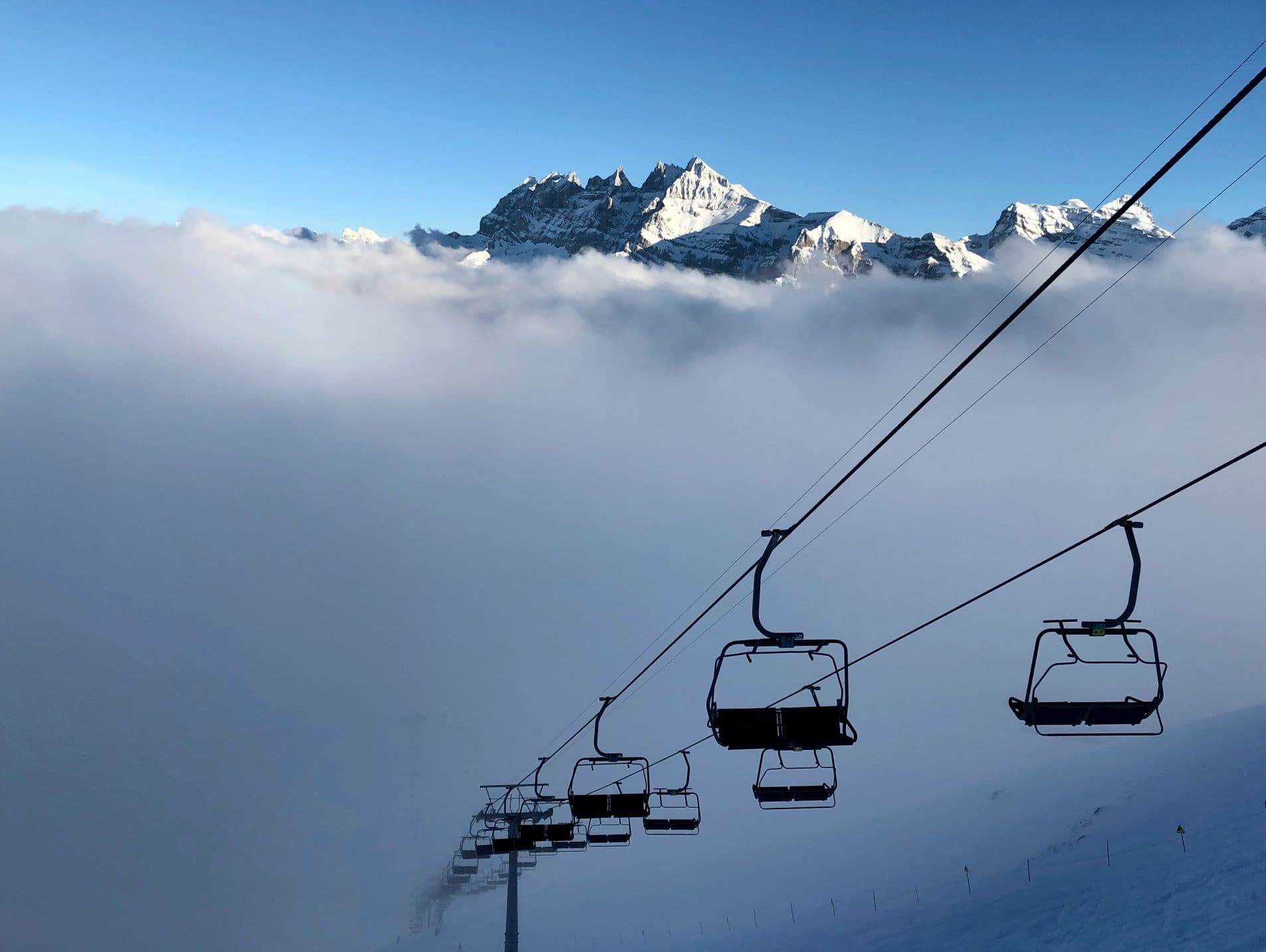
"Ski-in/ski-out" is the phrase that sells chalets. It conjures a picture of clicking into your bindings on the doorstep and gliding back for tea. Sometimes that is exactly what you get. Sometimes it means a ten-minute walk in ski boots to a drag lift, or a red home run that the nervous skier in your group will not attempt.
This guide explains what the phrase should mean, how to test a listing, and where in the Alps it is most likely to be true.
What ski-in/ski-out should mean
Properly used, ski-in/ski-out means:
- you put your skis on at or very near the door;
- you ski, without walking or taking transport, to a lift that starts your day;
- at the end of the day a piste brings you back to the door;
- all of this works in normal snow conditions for the ability of the people staying.
That last point is the one listings usually skip.
The phrases that mean something else
| Listing says | What it often means | What to ask |
|---|---|---|
| Ski-in/ski-out | Can be true, or can be generous | Both journeys, step by step |
| Ski-in | A piste ends at or near the chalet | How do you reach the first lift? |
| Ski-out | You can ski down to a lift in the morning | How do you get home at four o'clock? |
| Piste-side or on the slopes | The chalet is beside a piste | Can you actually join it from the door? |
| 100 metres from the lifts | A short walk, possibly uphill | Is it uphill, and on what surface? |
| Snow permitting | Works in a good winter | How often is it closed, and when? |
None of these is dishonest if it is clear. The trouble starts when a family books "ski-in/ski-out" and finds that the route home is a steep red run that only the teenagers can ski.
Questions that expose a stretched listing
Ask the owner or agent, and get the answers in writing:
- Which piste passes the chalet, and what colour is it?
- How far is it from the door to the point where you put your skis on?
- Which lift do you ski to in the morning, and is it the one that gets you to the main ski area?
- Can a beginner ski back to the chalet? If not, what do they do?
- Does the route rely on a low run that closes early or late in the season?
- How do you reach the chalet in the evening, and can a taxi or transfer reach the door with luggage?
- How do children get to ski school, and where does it meet?
- Is there a ski room or boot room by the door you use when you come back?
Ask for a winter photograph taken from the door. Summer photographs of a meadow are not evidence.
The evening question
Ski-in/ski-out chalets are often a walk from the village centre. In many resorts, walking on the pistes after the lifts close is forbidden or dangerous, because the piste machines are working, sometimes on winch cables. If the only way to the village after dark is up or down a piste, plan on taxis, a shuttle or staying in.
When ski-in/ski-out is worth it
Families with young children. Carrying three sets of skis, two toddlers and a lunch bag to a bus stop is the worst part of many family ski days. If the ski school meets near the chalet, it changes the whole week.
Groups skiing every day. First lift, back for lunch, out again for the last hour. The convenience adds up.
Anyone with a bad back or knees. A short walk in ski boots matters more than it sounds.
When it is not
Groups who want the village. If après-ski, restaurants and shops are the point, a central chalet a short walk from the lift often works better.
Non-skiers. A slope-side chalet can leave a non-skier stranded, with nowhere to walk and no café to visit. Check pedestrian lift passes and winter paths.
Mixed abilities on the wrong slope. If the only way home is a red, the beginners will spend the week taking a lift down.
For the wider location question, read where to stay in an Austrian ski resort. The same principles apply across the Alps.
Where to find genuine ski-in/ski-out chalets
France: built for it
France's purpose-built resorts were designed so people could ski to and from their accommodation, and slope-side chalets and apartments are common there.
- Flaine is a compact, largely pedestrianised purpose-built resort, so in many properties the pistes are close to the door.
- Tignes has several high bases where lots of accommodation sits on or beside the pistes.
- Courchevel and Méribel have chalets on the pistes in parts of each resort, though it varies a great deal by area.
- Alpe d'Huez has pistes running into the resort, so location within the resort matters.
Austria: look above the centre
Most Austrian ski villages grew up around a church and a farming valley long before the lifts arrived, so the centre is often a walk or bus ride from the snow. Slope-side chalets tend to be in higher hamlets or resorts built on a pass.
- Obertauern is a pass-top resort with skiing around the village.
- Lech has Oberlech above the village, which has slope-side accommodation. Access arrangements differ from an ordinary road, so check them.
- Sölden has Hochsölden, a cluster of hotels and chalets up the mountain.
- Saalbach Hinterglemm has lifts and home runs close to its village streets.
Italy: high villages and pass resorts
- Cervinia is a high resort with pistes reaching parts of the village.
- Passo Tonale sits on a mountain pass, with skiing on both sides of the road.
- Livigno has lifts along its valley floor, and some accommodation is very close to the pistes.
- In the Dolomites, some accommodation in Selva and Corvara sits near the lifts. Where to stay in the Dolomites covers the villages.
Switzerland: rarer and pricier
True ski-in/ski-out is less common in the big Swiss villages, which tend to be traditional and spread out. Zermatt and Saas-Fee are car-free, so even a "central" chalet means walking or using an electric taxi. Ask very specific questions. The Switzerland chalet guide gives the background.
Ski-in/ski-out across the season
A home run that is perfect in February may be patchy in December and closed by April. Ask:
- the altitude of the run that serves the chalet;
- whether it has snowmaking;
- what guests do when it is closed.
For early or late-season trips, see snow-sure, high-altitude ski resorts.
Search for slope-side chalets
Choose the resort first, then filter by location, and test every "ski-in/ski-out" claim with the questions above.
Frequently asked questions
What does ski-in/ski-out actually mean?
In its proper sense, you can put your skis on at the door, ski to a lift and ski back to the chalet at the end of the day, without walking, catching a bus or crossing a road. Many listings use the phrase more loosely, so ask exactly how both journeys work.
What is the difference between ski-in and ski-out?
Ski-out means you can ski from the chalet to a lift in the morning. Ski-in means a piste brings you back to the door. Some chalets offer only one, for example a home run to the door but a walk uphill to the first lift.
Which resorts have the most ski-in/ski-out chalets?
Purpose-built French resorts, such as Flaine, Tignes and parts of the Trois Vallées, were designed around their pistes, so slope-side accommodation is common. In Austria, Italy and Switzerland it is more often found in higher hamlets or pass-top resorts than in the old village centres.
Is ski-in/ski-out worth paying extra for?
It is worth most to families with young children, groups skiing every day and anyone who hates carrying skis. It is worth less if the group wants restaurants and nightlife on the doorstep, or if non-skiers will be stuck up the mountain.
Does ski-in/ski-out work all season?
Not always. A home run at low altitude may lose its snow at the start or end of the season, and some links close in poor weather. Ask whether the route depends on natural snow or snowmaking, and how guests reach the chalet when it is closed.
Related articles
Catered or Self-Catered Chalets in France and Italy: Which Suits Your Group?
The British catered chalet is at home in the French Alps and much rarer in Italy, where half-board hotels and apartments rule. Here is how the choice changes on each side of the border and what to ask before you book.
How to Choose a Ski Chalet for a Large Group
A booking guide for groups sharing a ski chalet, from what “sleeps 12” can hide to the questions worth asking before you pay a deposit.
Catered vs Self-Catered Chalets in Austria: Which Should You Book?
An honest comparison of catered and self-catered Austrian chalet holidays, including the costs and practical details hidden by the labels.