Snow-Sure Ski Resorts: High-Altitude Chalets for Early and Late-Season Skiing
No resort can promise snow, but some give you much better odds. Here is what really makes a resort snow-sure, the high-altitude and glacier resorts worth shortlisting in France, Austria, Italy and Switzerland, and their trade-offs.
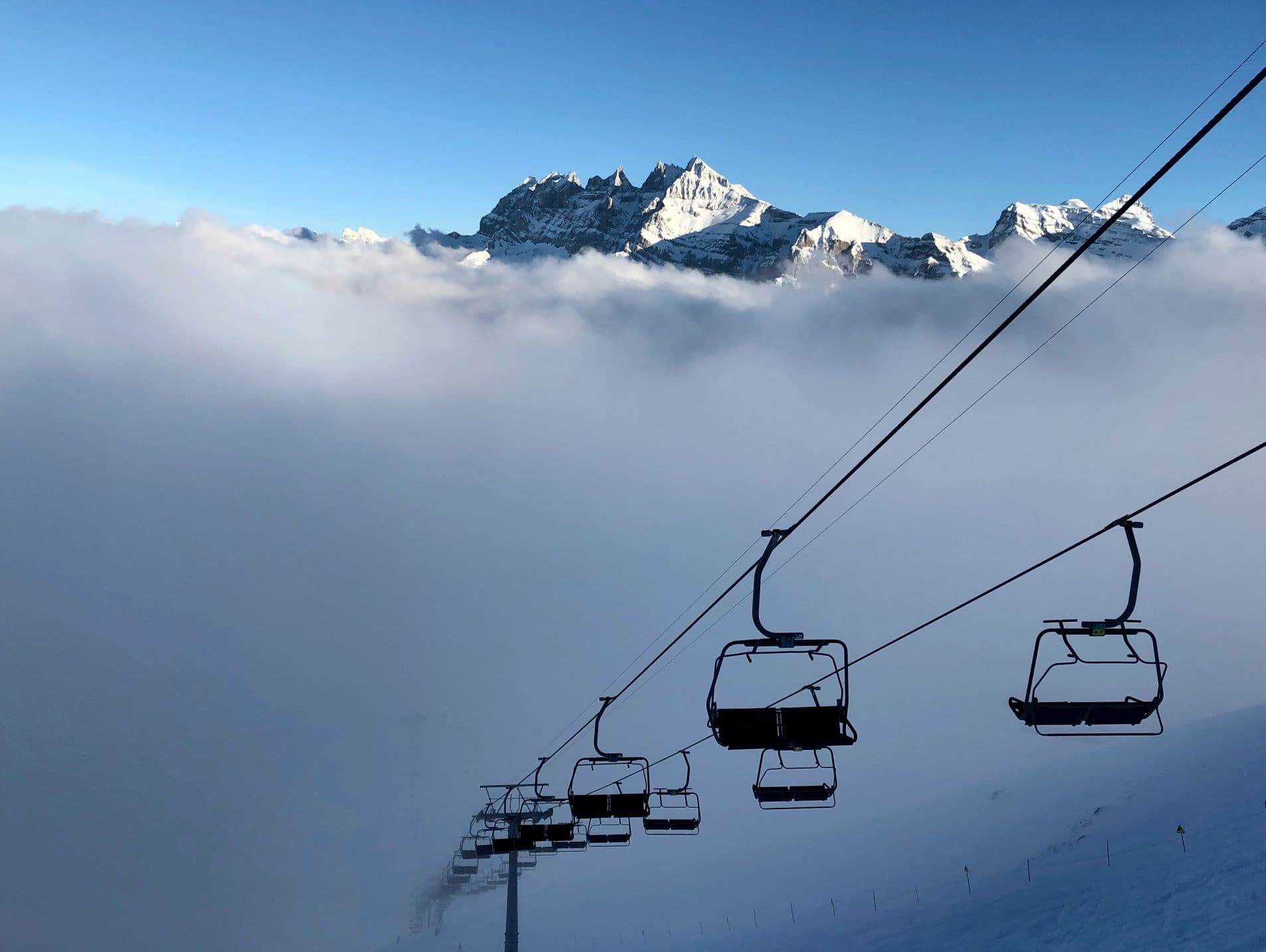
"Snow-sure" is one of the most used words in ski marketing and one of the least defined. No resort can guarantee snow. But some give you far better odds than others, especially early in December or late in April. This guide explains what really matters and which resorts to look at.
What makes a resort snow-sure
The altitude of the skiing
The height of the main ski area matters more than the height of the village. A village at 1,300 metres with most of its skiing above 2,000 metres can be more reliable than a village at 1,600 metres with skiing that barely climbs higher.
Ischgl is a good example. The village sits at around 1,400 metres, but the Silvretta Arena it shares with Samnaun is mostly above 2,000 metres.
Glaciers
Glaciers keep a permanent base of snow and ice, so glacier ski areas often open in autumn and stay open late into spring. In the Alps that includes:
- Sölden, with the Rettenbach and Tiefenbach glaciers;
- Kaprun, with the Kitzsteinhorn above the town;
- the Hintertux Glacier, in the Tux valley, a side valley of the Zillertal beyond Mayrhofen;
- the Stubai Glacier, at the head of the Stubai valley beyond Neustift;
- Tignes, with the Grande Motte;
- Les Deux Alpes, whose glacier reaches about 3,600 metres;
- Zermatt and Cervinia, which share glacier skiing on the Swiss-Italian border;
- Saas-Fee, below the Allalin glacier;
- Passo Tonale, with the Presena glacier.
Glaciers are not a guarantee. They can close in high winds, and the runs that link them to the village still need snow.
Aspect
North-facing slopes get less sun, so their snow lasts longer and stays drier. South-facing slopes are lovely for a spring lunch but turn slushy in the afternoon and lose their snow first. A resort with plenty of north-facing skiing is a better bet late in the season.
Snowmaking
Most big Alpine resorts now rely on snowmaking to open on time and keep the main runs and home runs in shape. In a lean winter, a resort that has invested in snowmaking can keep the pistes open when the hillsides around them look brown. Snowmaking needs cold weather, though, so it helps most in early season.
What is under the snow
Smooth Alpine pasture needs less snow to ski than rocky, uneven ground. Resorts built over grassy slopes can often open on a thinner base.
High-altitude and glacier resorts to shortlist
| Resort | Country | Why it is snow-sure | Read more |
|---|---|---|---|
| Tignes | France | Village at around 2,100 m and the Grande Motte glacier | Val d'Isère vs Tignes |
| Val d'Isère | France | High village linked to Tignes | Val d'Isère vs Tignes |
| Les Deux Alpes | France | Glacier skiing to about 3,600 m | Les Deux Alpes |
| Alpe d'Huez | France | High, sunny resort with a large ski area | Alpe d'Huez guide |
| Sölden | Austria | Two glaciers, skiing up to 3,340 m | Sölden guide |
| Ischgl | Austria | Most of the ski area above 2,000 m | Ischgl guide |
| Obertauern | Austria | A pass-top resort known for holding its snow | Obertauern |
| Kaprun | Austria | Kitzsteinhorn glacier above the town | Zell am See vs Kaprun |
| Kühtai | Austria | A high village near Innsbruck | Kühtai |
| Cervinia | Italy | Village at around 2,050 m, linked to Zermatt | Cervinia |
| Livigno | Italy | High valley village at around 1,800 m | Livigno guide |
| Passo Tonale | Italy | Pass resort at around 1,880 m with the Presena glacier | Passo Tonale |
| Zermatt | Switzerland | Glacier skiing shared with Cervinia | Verbier vs Zermatt |
| Saas-Fee | Switzerland | Car-free village below the Allalin glacier | Saas-Fee |
Altitudes are approximate and vary slightly between sources. Check the resort's own figures if a few metres matter to you.
Early season: December and Christmas
Early in the season, glaciers and snowmaking matter most. Many glacier areas open well before Christmas, and high resorts such as Ischgl can open in late November. The Ischgl chalet guide has this season's dates.
Points to check:
- which lifts and runs are planned to open, and when;
- whether the run back to the village is likely to be open;
- whether the ski school runs before Christmas.
For festive trips, read Christmas and New Year ski chalets 2026/27, and browse early-season chalets.
Late season: Easter and April
Late in the season, altitude, aspect and glaciers matter most. Lower slopes and sunny runs lose their snow first.
Points to check:
- the resort's planned closing date, and whether some sectors close earlier;
- whether you can ski back to the village or need to take a lift down;
- how high the nursery slopes are, if beginners are coming.
Glacier areas such as Sölden's often stay open later than the rest of a resort. For a high resort with a long season, see the Ischgl chalet guide. For Easter dates and planning, see Easter skiing 2027 and late-season chalets.
The trade-offs of skiing high
High resorts are not right for everyone.
- Cold and wind. High resorts can be bitterly cold in midwinter, and high lifts close in strong winds.
- Flat light. Above the treeline, visibility is poor in cloud or snowfall. Lower, tree-lined runs are easier on bad-weather days.
- Altitude. Some people sleep badly at altitude for the first night or two.
- Village feel. Several high resorts were purpose-built for skiing, and they may have less traditional charm than a valley village.
- Non-skiers. There may be less to do away from the slopes.
A good compromise is a traditional village with a fast lift up to high skiing. Mayrhofen, Kaprun and Neustift all have glaciers within reach. Montchavin-Les Coches links into the wider Paradiski area. Read where to stay in an Austrian ski resort for the location trade-offs.
Choosing a chalet in a snow-sure resort
Where you stay matters as much as the resort.
- Stay near a lift that goes up, not one that only serves the lower slopes.
- Check the ski-in/ski-out claim late in the season. Read ski-in/ski-out chalets for the questions to ask.
- Book flexibly if you are travelling very early or very late.
Search snow-sure chalets
Frequently asked questions
What makes a ski resort snow-sure?
Mainly the altitude of the skiing, glacier access, north-facing slopes and strong snowmaking. The village altitude matters for the run home, but the height of the main ski area matters more. No resort can guarantee snow.
Which are the most snow-sure resorts in the Alps?
Resorts with high ski areas or glaciers are the safest bets. Tignes, Val d'Isère, Les Deux Alpes, Cervinia, Zermatt, Saas-Fee, Sölden, Ischgl and Obertauern are all good places to start. Check each resort's current conditions and season dates.
Are glacier resorts open all season?
Glacier areas often open earlier and close later than the rest of a resort, but they can also close in high winds or storms. The village runs below them still depend on snowfall and snowmaking.
What are the downsides of high-altitude resorts?
They can be colder and windier, and above the treeline visibility is poor in bad weather. Some purpose-built high resorts have less village charm and fewer things for non-skiers to do.
Is a low resort ever a good idea for late-season skiing?
Yes, if it links quickly to high skiing. A lower village with a fast lift to a high area can work well, but check how you get home if the lower runs have closed.
Related articles
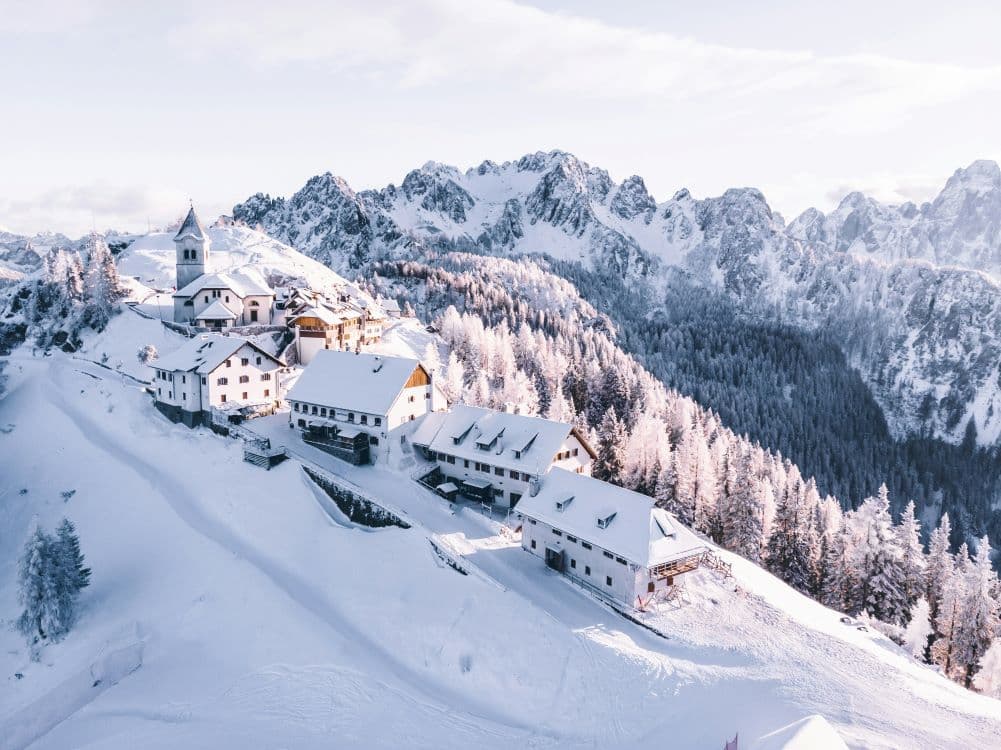
Christmas and New Year Skiing 2026/27: Dates, Snow and Where to Go
Christmas Day 2026 and New Year's Day 2027 both fall on a Friday. Here is how that shapes the two festive chalet weeks, how to deal with early-season snow, and the questions to ask a catered chalet about Christmas dinner.
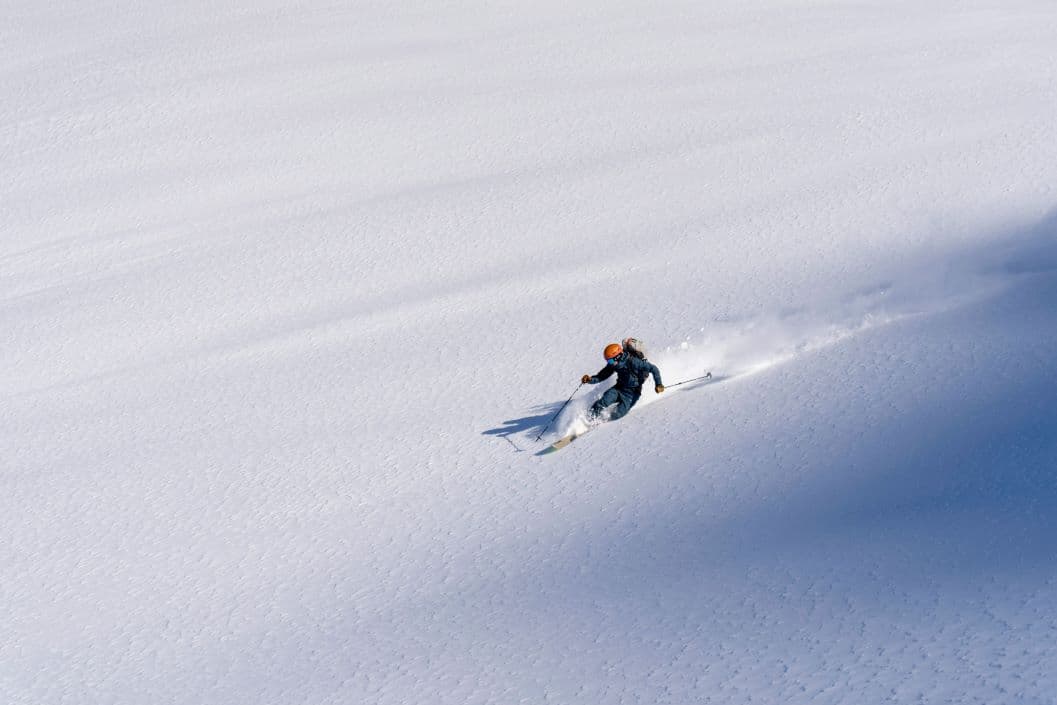
Easter Skiing 2027: School Holiday Dates and Resorts That Hold Their Snow
Easter 2027 is early, but UK school Easter holidays stretch from late March to mid-April. Here is how to match the week to the right altitude, what spring snow is really like, and what to check before booking a late chalet.
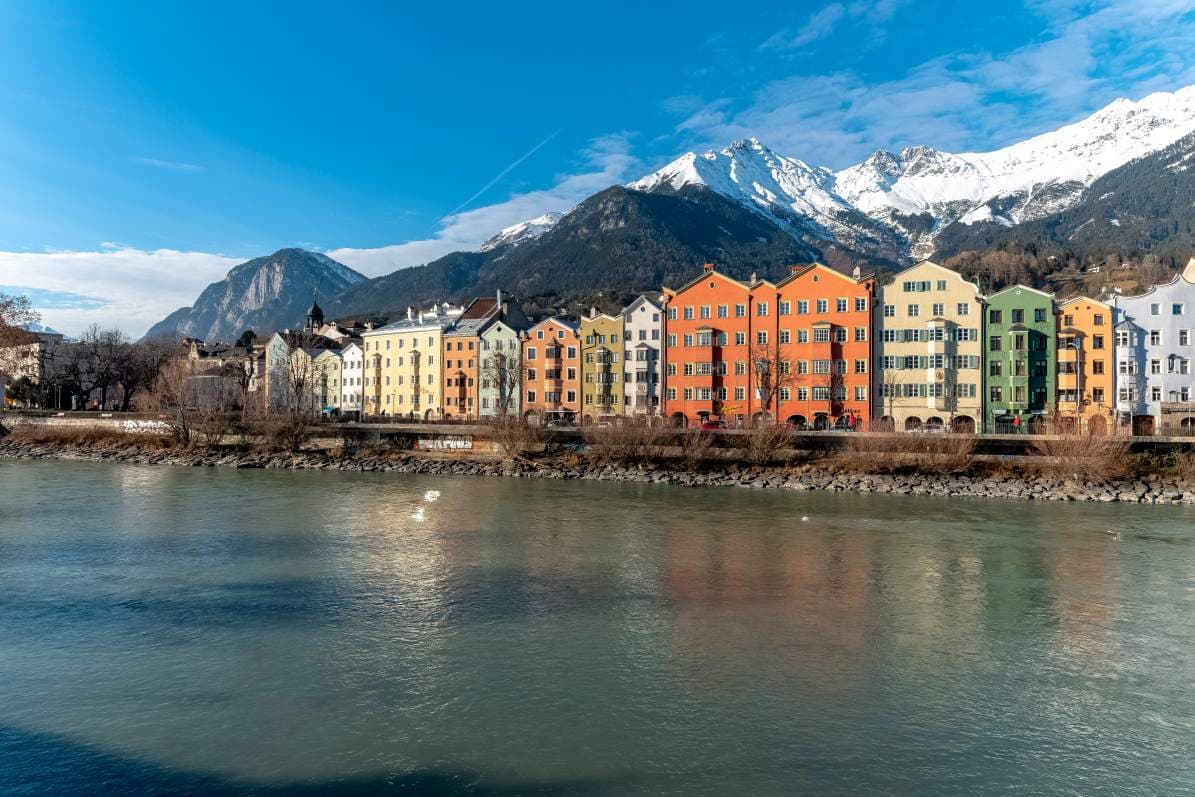
Where to Stay in an Austrian Ski Resort: Slopes, Centre or Quiet Village?
A practical guide to choosing between slope access, village atmosphere and quieter chalet locations in Austrian ski resorts.