Where to Stay in an Austrian Ski Resort: Slopes, Centre or Quiet Village?
A practical guide to choosing between slope access, village atmosphere and quieter chalet locations in Austrian ski resorts.
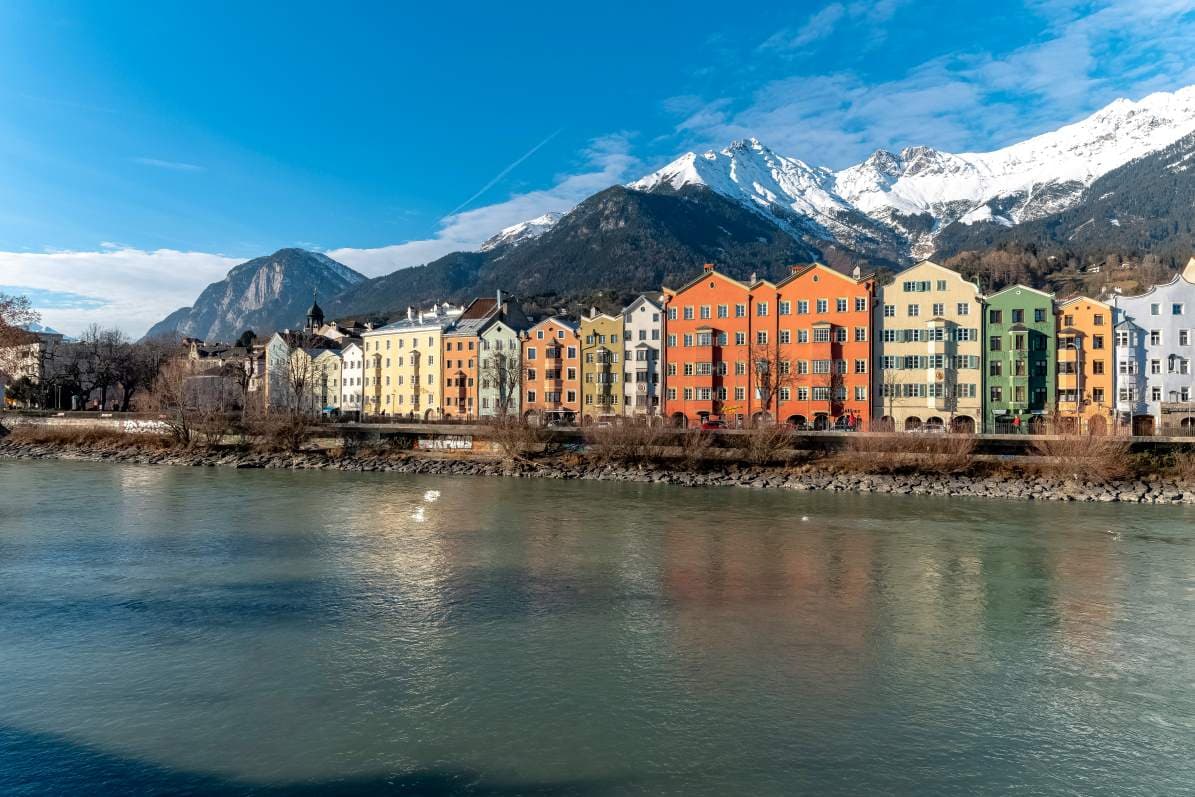
Choosing an Austrian resort is only half the accommodation decision. The same destination can contain a historic centre, a lift-base settlement, quiet hamlets, neighbouring villages and hillside roads that look trivial on a flat map. Two chalets carrying the same resort name can produce completely different holidays.
This guide explains where to stay in an Austrian ski resort according to skiing level, family needs, evening plans, airport transfer and willingness to use buses or a car.
The central rule is simple: stay near the part of the resort you will actually use. “Near the slopes”, “in the resort” and “five minutes from the centre” are not useful until the route and transport method are specified.
Where to stay in an Austrian ski resort: the main choices
| Location type | Best suited to | Main advantage | Main disadvantage | What to verify |
|---|---|---|---|---|
| Beside the main lift | Ski-focused groups; confident intermediates; early starters | Fast access to a major sector | May be noisy, expensive or wrong for lessons | Which terrain the lift serves |
| Beside the beginner area | Families; first-time skiers | Easy lesson routine | Stronger skiers may travel elsewhere | Ski-school meeting point and progression lifts |
| Historic or pedestrian centre | Couples; non-skiers; restaurant-led groups | Shops, dining and evening independence | Walk or bus to skiing; possible noise | Actual winter walking route |
| Quiet outer village | Families; couples; value-seeking groups | Space, calm and potentially lower prices | Bus, taxi or car dependence | Last transport and food access |
| Slope-side or elevated hamlet | Ski-led groups; visitors wanting mountain setting | Potentially direct skiing | Restricted road access and limited evening choice | Genuine ski-in/ski-out route and arrival arrangements |
| Transport hub or railway town | Car-free visitors; short breaks | Easier arrival and regional movement | Not always beside the preferred slopes | Connection frequency and luggage route |
| Neighbouring valley village | Larger groups; drivers; budget-conscious visitors | More accommodation choice | Daily commuting | Traffic, parking and winter-equipment requirements |
Begin with the ski-school meeting point
For beginners and families, the ski-school meeting point is often the most important map pin.
A resort can have several schools, branches and children's areas. Lessons may begin beside a nursery slope, at the top of a gondola or in another village. The chalet nearest the main lift may not be nearest to children's lessons.
Before booking:
- select a likely ski school;
- confirm the appropriate course and meeting point;
- identify the walking, bus or lift route;
- check whether equipment can be stored nearby;
- calculate how stronger skiers reach their terrain after drop-off.
This exercise removes a surprising number of otherwise attractive properties. It is better to discover the problem on a map than at 08:40 with two children and four skis.
Near the lift: useful, but which lift?
A lift can serve a beginner area, a major linked domain, an advanced sector or a small local hill. “Two minutes from the lift” sounds excellent until the group learns it must cross town for ski school.
Check:
- lift name;
- opening role within the area;
- terrain reached;
- whether queues form at peak times;
- return route at the end of the day;
- operating dates;
- whether pedestrians can use it.
In Mayrhofen, for example, Penken and Ahorn access support different ski-day choices. In Sölden, properties may be closer to different major lift bases. In St Anton, Nasserein and the central Galzig side create different routines.
Compare chalets in Mayrhofen, Sölden or St Anton only after identifying the correct lift.
In the village centre: best for evenings and non-skiers
A central chalet or apartment usually provides easier access to restaurants, shops, bars and public transport. It is often the strongest choice for couples and groups containing non-skiers.
The disadvantages are:
- higher prices;
- traffic or pedestrian noise;
- limited parking;
- uphill routes to lifts;
- smaller properties;
- early-morning delivery or snow-clearing noise.
A “central” description may refer to the municipality rather than the pedestrian core. Use the actual address and walking directions.
Central accommodation is particularly valuable in town-like destinations such as Kitzbühel, Zell am See and Schladming. It is less decisive when the group expects to eat in the chalet and ski all day.
In a quiet outer village: space with a transport cost
Outlying villages and hamlets can provide larger properties, parking and calm. They suit self-catering groups, drivers and families comfortable with a planned routine.
The risks are practical:
- infrequent ski buses;
- no evening service;
- steep or unlit roads;
- limited supermarkets;
- taxi costs;
- children unable to travel independently;
- different local lift access.
Check transport for the exact winter season and day of the week. A bus every 15 minutes in the morning may finish before dinner.
A remote chalet should be chosen deliberately, not because the map search was zoomed out.
Austrian resort examples where village choice matters
Alpbach, Inneralpbach and Reith
Alpbach is a village within Alpbachtal and part of Ski Juwel Alpbachtal Wildschönau.
Central Alpbach supports traditional village atmosphere and restaurant access. Inneralpbach can provide more direct access to particular lifts. Reith im Alpbachtal has its own village and beginner arrangements.
The best location depends on lessons and evening priorities. Read the Alpbach ski resort guide.
St Anton, Nasserein and St Jakob
Central St Anton favours nightlife, shops and access around Galzig. Nasserein has its own major lift and can be practical for ski-school routines. St Jakob and outer residential areas are quieter but increase reliance on buses.
Read the St Anton versus Lech comparison before assuming the resort's central district is automatically best.
Zell am See and Kaprun
Zell am See and Kaprun belong to the same holiday region but are separate towns.
Zell provides a lakeside centre and Schmittenhöhe access. Kaprun offers a different town base and routes towards Maiskogel and Kitzsteinhorn. A listing using “Zell am See-Kaprun” must be checked for its actual settlement.
Mayrhofen and surrounding Zillertal villages
Mayrhofen is a substantial resort town. Nearby Hippach, Ramsau, Schwendau and other settlements may appear in wider searches.
They can offer value and transport links, but the holiday is not identical to staying within walking distance of central Mayrhofen's lifts and restaurants.
Lech, Oberlech and Zug
Central Lech offers village services and lift access. Oberlech is elevated and may involve specific arrival or transport arrangements. Zug is quieter and has a different relationship with the wider Lech area.
Verify ski-in/ski-out claims and evening access for every property.
Flachau and its lift bases
Flachau stretches along the valley rather than forming one compact historic centre. Several lift bases, bus stops and accommodation districts serve the wider settlement.
Families should identify where lessons begin. A chalet may be well located for one gondola but awkward for the ski school selected later.
Schladming and Rohrmoos
Schladming provides a proper town beneath the Planai side. Rohrmoos sits above and towards Hochwurzen, producing a different ski and evening routine.
Town-centre accommodation favours shops, restaurants and rail. Higher accommodation can improve slope access while making evening movement more complicated.
Ski-in/ski-out: what should it mean?
True ski-in/ski-out accommodation should allow an ordinary skier to leave and return on skis when the relevant route is open and snow conditions permit.
The phrase is used loosely. It might mean:
- beside a piste;
- beside a drag lift;
- accessible by an unmarked path;
- ski-in but not realistically ski-out;
- suitable only for confident skiers;
- dependent on natural snow;
- a short walk carrying skis.
Ask which marked run or lift provides the access. Check the route on the official piste map and consider the weakest skier in the group.
A property can still be excellent without direct skiing. Accurate expectations are more useful than an ambitious label.
Where should beginners stay?
Beginners should stay near their ski school or a direct, simple connection to it.
The ideal property provides:
- a short, flat route;
- equipment storage;
- access to gentle progression terrain;
- cafés or shelter for waiting family members;
- transport to the village centre;
- an easy return after lessons.
Avoid choosing an advanced-sector lift because stronger friends prefer it. Beginners should not spend the week commuting to accommodate the person least in need of help.
Where should families stay?
Families usually benefit from proximity to lessons, food shopping and a simple evening routine.
A central property may justify its higher cost by removing taxis and reducing arguments. A quiet chalet may be better when it provides space, parking and an included meal arrangement.
Check:
- bedroom floors and stairs;
- bathroom count;
- washing and drying;
- ski storage;
- road crossings;
- pushchair route;
- bus capacity at lesson times;
- childcare location.
Read the best family ski resorts in Austria guide.
Where should non-skiers stay?
Non-skiers need independence. A central town or village is usually preferable to an isolated slope-side chalet.
Useful features include:
- cafés and shops;
- winter walking;
- pedestrian lift access;
- railway or bus links;
- swimming or wellness facilities;
- cultural attractions;
- easy meeting points with skiers.
Kitzbühel, Zell am See and Schladming can provide broader town life. A small village may work for a quiet couple but become restrictive for someone spending six full days off the slopes.
Where should advanced groups stay?
Advanced skiers often prioritise fast access to a major lift and early starts. A slope-side or lift-base property can be worth more than central nightlife.
However, the resort's challenging terrain may begin from another sector. Study the piste map and likely guiding meeting points.
For off-piste plans, proximity does not replace qualified guidance, current avalanche information or appropriate insurance.
Do you need a car?
A car is useful when:
- the chalet is remote;
- the group wants to explore several independent ski areas;
- supermarket access is poor;
- public transport is limited;
- the property includes reliable parking.
A car is less useful when:
- the resort has good rail and ski-bus access;
- the chalet is central;
- drivers expect to drink;
- parking is difficult;
- heavy snowfall or winter roads are unfamiliar.
A car parked for seven days is not a transport strategy. Compare transfers, trains and local buses before paying for hire.
Airport transfer and chalet position
The final kilometre matters. A shared transfer may drop passengers at a central point rather than the chalet door. An elevated hamlet may require a local taxi, snow vehicle or lift connection.
Confirm:
- exact drop-off;
- luggage handling;
- late-arrival procedure;
- key collection;
- road accessibility;
- parking;
- departure pickup;
- whether children and bags can manage the route.
St Anton's railway station makes central and bus-connected properties particularly practical. Innsbruck and Salzburg airport transfers vary according to resort and arrival time.
Catered versus self-catered location priorities
A self-catered chalet needs practical supermarket access or a delivery plan. A catered chalet reduces shopping but may still require restaurant planning on staff nights off.
Central self-catering can save taxi costs. Remote catered accommodation can work well when the group accepts staying in for the evening.
Read catered versus self-catered chalets in Austria before comparing prices.
A map checklist before booking
Open the property map and mark:
- ski-school meeting point;
- nearest useful lift;
- easiest return piste;
- bus stop;
- supermarket;
- restaurants;
- equipment hire;
- railway station or transfer stop;
- childcare;
- medical or pharmacy access.
Then view the route in satellite and street imagery where available. Contours, rivers and railway crossings explain why straight-line distances lie so confidently.
Search by location, not just resort name
Compare available chalets across Austria, then inspect each property's exact map position against the group's daily needs. Continue to the booking provider only after confirming the useful lift, transport route, facilities and final conditions.
Frequently asked questions
Is it better to stay near the slopes or in the resort centre?
Stay near the slopes when skiing and lessons dominate the holiday. Choose the centre when restaurants, shops and non-skier independence matter more. Verify the exact lift and walking route before deciding.
What does ski-in/ski-out really mean?
It should mean the property can be reached and left on skis when the relevant route is open. Listings use the phrase inconsistently, so check the named piste, ability required, snow dependence and any walking section.
Where should beginners stay in an Austrian resort?
Beginners should normally stay near the ski-school meeting point or a simple direct connection to it. The nearest major lift may serve the wrong terrain.
Is a quiet village outside the resort centre a good idea?
It can provide space, calm and better value. Check evening buses, supermarket access, taxis, road gradients and whether children can travel independently before booking.
Do I need a car for an Austrian chalet holiday?
Not in many well-connected resorts. A car is useful for remote properties and exploring separate ski areas, but central accommodation, rail and ski buses can make it unnecessary.
Related articles
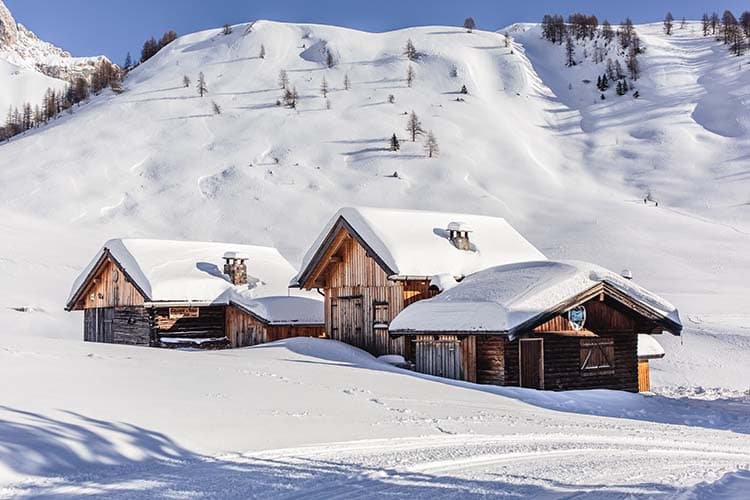
Catered vs Self-Catered Chalets in Austria: Which Should You Book?
An honest comparison of catered and self-catered Austrian chalet holidays, including the costs and practical details hidden by the labels.
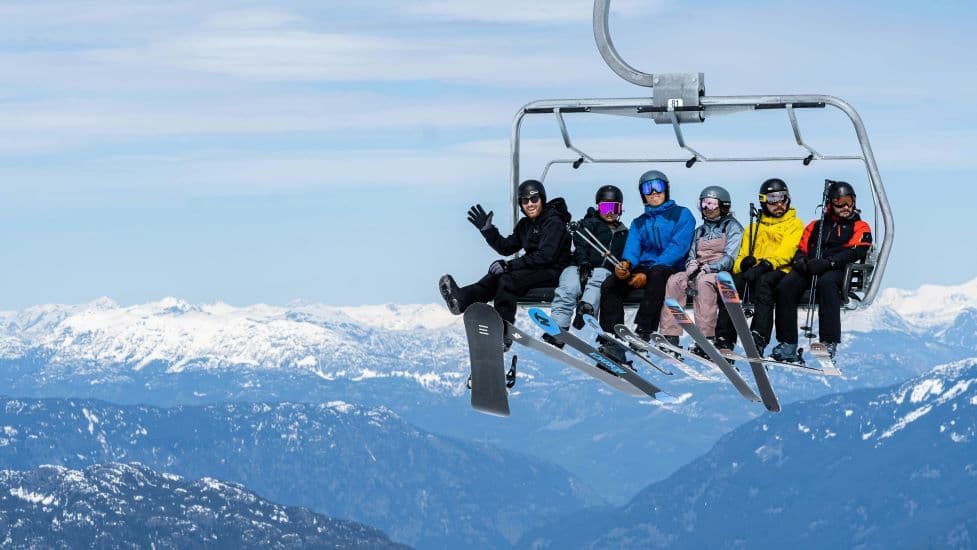
First Ski Holiday in Austria: A Complete Guide for UK Travellers
A practical guide to choosing the right Austrian resort, airport, transfer and chalet location for your first ski holiday from the UK.
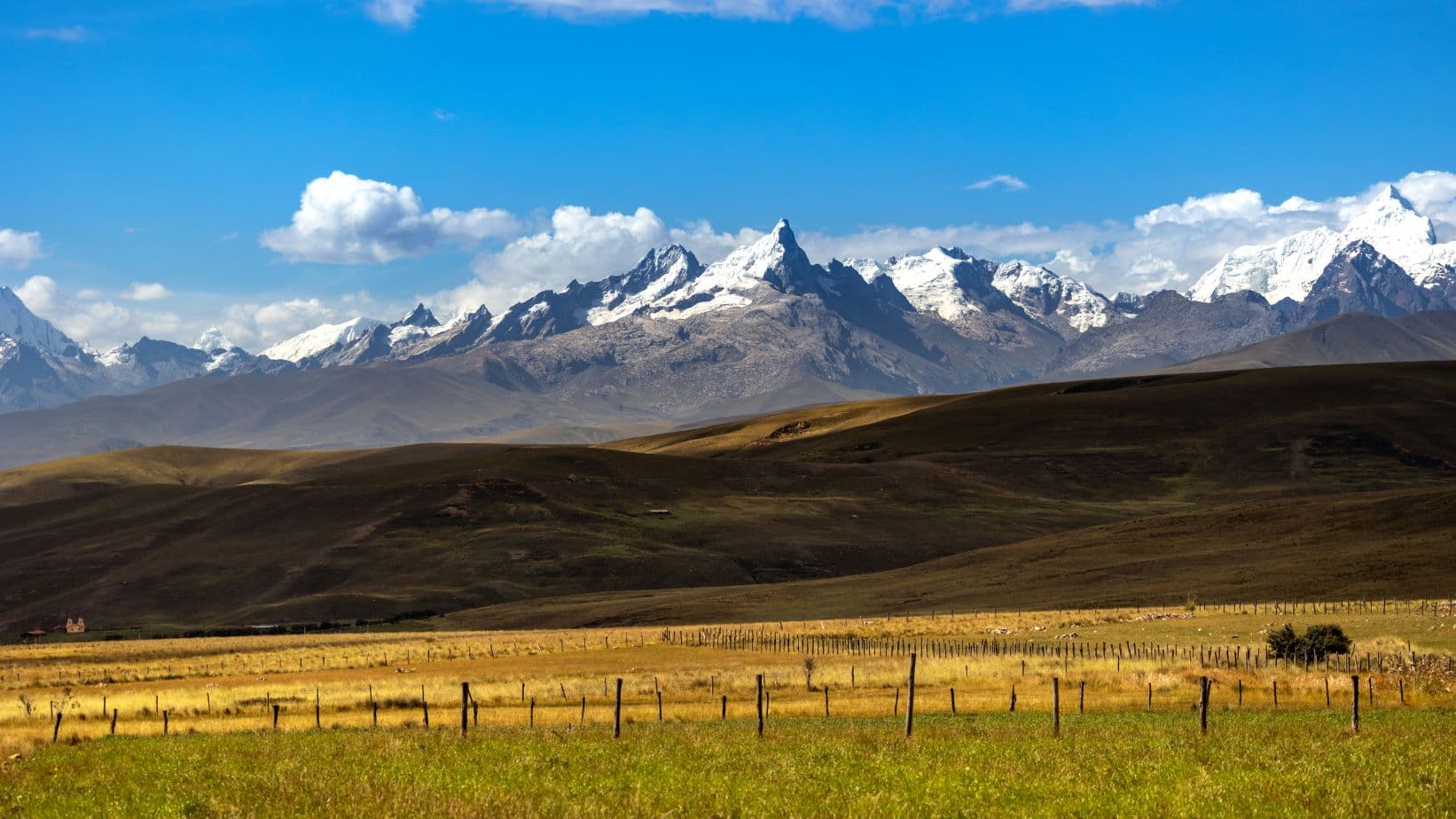
Nassfeld Ski Resort Guide: Is It Right for Your Holiday?
A practical Nassfeld ski resort guide for UK visitors, covering who the Carinthian destination suits, airport choices and where a chalet should sit.