Catered vs Self-Catered Chalets in Austria: Which Should You Book?
An honest comparison of catered and self-catered Austrian chalet holidays, including the costs and practical details hidden by the labels.
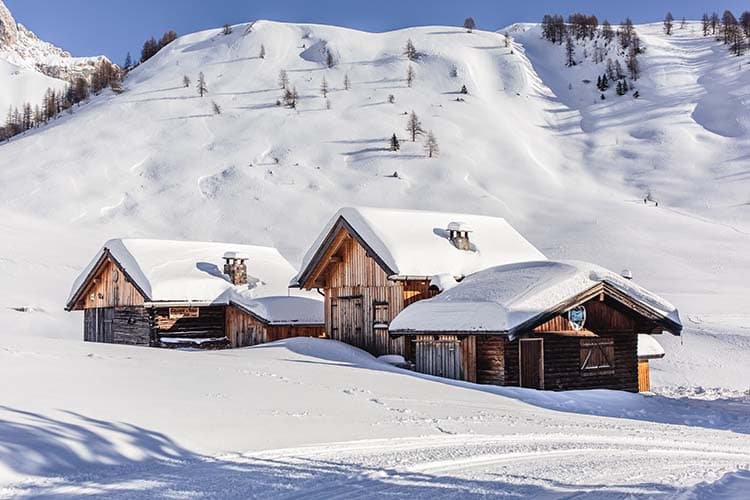
The choice between catered and self-catered accommodation affects far more than dinner. It changes the holiday budget, chalet location, dietary control, evening routine, group dynamics and the amount of unpaid domestic work quietly assigned to one competent adult.
This guide compares catered vs self-catered chalets in Austria for UK travellers. It explains what the labels may include, which groups benefit from each option and what must be checked before booking.
Austria offers detached chalets, apartments, guesthouses, hotels and residence-style properties. “Catered chalet” is less consistently used than in some traditional British package-ski markets, and a listing may instead include breakfast, half board, meal delivery or an optional chef. Compare the actual service rather than the heading.
Catered vs self-catered chalets in Austria compared
| Factor | Catered chalet | Self-catered chalet |
|---|---|---|
| Meals | Some meals prepared or supplied according to the stated package | Group buys and prepares food |
| Daily effort | Lower cooking and washing-up burden | Shopping, cooking and cleaning remain with the group |
| Flexibility | Meal times and menus may be fixed | Full control over timing and food |
| Dietary control | Depends on provider capability and advance notice | Strongest control when cooking from known ingredients |
| Cost visibility | Higher headline price but some meals included | Lower accommodation price can hide food, delivery and restaurant costs |
| Family routine | Convenient when meals suit children | Flexible for early meals, babies and selective eaters |
| Group privacy | Staff may enter or remain in the property | Greater private use, subject to normal property management |
| Chalet location | Service may compensate for a remote setting | Supermarket and restaurant access become more important |
| Evenings | Group can stay in without cooking | Choice between cooking and eating out |
| Booking risk | Exact inclusions and staff arrangements require scrutiny | Kitchen, equipment and local shopping require scrutiny |
Neither model is inherently better. A well-located self-catered apartment can be easier than a catered chalet reached only by taxi. A remote catered chalet can be ideal when the group wants to stay together every evening.
What does catered actually mean?
“Catered” can describe several different arrangements.
Fully staffed chalet
A staffed chalet may include breakfast, afternoon tea and an evening meal on specified days. Staff presence, service days, drinks and children's meals vary.
Do not assume daily dinner, unlimited drinks or restaurant-level menus. Read the exact schedule.
Breakfast included
Some properties provide breakfast only, either served, delivered or available through a neighbouring hotel. The group remains responsible for other meals.
Half-board hotel or residence
A chalet-style apartment may be attached to a hotel offering breakfast and dinner. This can combine apartment space with meal service, although it is not the same as exclusive catered-chalet staffing.
Meal delivery
Providers may deliver prepared dishes for reheating. This reduces cooking without providing full service. Check portion sizes, delivery days, storage and washing-up expectations.
Private chef or optional catering
Some properties offer catering as an optional extra. Availability, price and booking terms should be confirmed before committing to the accommodation.
ChaletAway should not infer a catering model from photographs or category names. The booking provider's current listing is the source for inclusions.
What does self-catered actually require?
Self-catering means the property provides cooking facilities, but the quality of those facilities varies.
Check for:
- oven and hob;
- fridge and freezer capacity;
- dishwasher;
- pans and utensils;
- dining seats for the full group;
- kettle and coffee equipment;
- waste and recycling arrangements;
- cleaning requirements;
- supermarket distance;
- food-delivery options.
A kitchen photographed with three decorative lemons may still lack a baking tray, sharp knife or enough chairs. Review the inventory or ask the provider.
Which is cheaper?
Self-catering usually has a lower accommodation headline, but the complete comparison is less simple.
Catered costs may include:
- selected breakfasts;
- selected evening meals;
- staff;
- some drinks;
- cleaning associated with service;
- food purchasing.
Self-catered costs may include:
- supermarket shopping;
- delivery charges;
- taxis to larger shops;
- restaurant meals;
- household basics;
- end-of-stay cleaning;
- the opportunity cost of cooking.
For a large group, supermarket meals can be economical when responsibilities are shared. They become less attractive when one person cooks for twelve after skiing and discovers everyone else has developed a strategic interest in showering.
Compare the same number of breakfasts and dinners. Do not compare a catered package with seven restaurant evenings and then describe self-catering as cheap.
Families: catered or self-catered?
Catered advantages for families
Catering can remove shopping and evening cooking. It may suit families with older children who can eat at fixed times and groups where adults want a genuine break.
Some services offer children's meals, but ages, timing and menus must be confirmed.
Self-catered advantages for families
Self-catering provides control over early dinners, snacks, babies, allergies and selective eating. Parents can use familiar foods rather than negotiating a fixed menu.
The kitchen and supermarket route become crucial. A chalet with no nearby shop may require an arrival grocery order or car.
Practical family verdict
Choose catered when the service explicitly fits children's times and dietary needs. Choose self-catered when routine control matters more than avoiding cooking.
Property layout still outweighs meal model. Check stairs, bedrooms, bathrooms, washing facilities and ski storage.
Dietary requirements and allergies
Self-catering generally provides the greatest ingredient control. It can be preferable for severe allergies, coeliac disease or complex dietary requirements, provided the group understands cross-contamination risks.
Catered providers may handle common requirements, but capability varies. Before booking:
- describe the requirement precisely;
- ask how ingredients and cross-contamination are managed;
- confirm the response in writing;
- establish whether substitutions carry a charge;
- identify backup food options nearby.
“Can cater for most diets” is not enough for a serious allergy.
Austria has strong regional food traditions, and restaurant menus may not always suit every restriction without advance discussion. Central chalet location can provide more alternatives.
Groups of friends
Catered chalets work well when the group wants communal evenings without organising meals. They can reduce disputes over shopping and washing-up.
Self-catering suits groups wanting flexibility, restaurant nights and lower headline prices. It works best when responsibilities and budget are agreed before travel.
Useful questions include:
- Is food spending shared equally?
- Who orders the initial shop?
- Are alcoholic drinks communal?
- Who cooks and cleans?
- Does anyone expect restaurant meals every evening?
- Is the chalet kitchen large enough?
These are not glamorous questions. Neither is an argument over twelve people's supermarket receipts.
Couples and small groups
For two to four people, a catered chalet may be unavailable or poor value unless rooms are sold individually within a shared property.
A self-catered apartment in a central village can offer better flexibility. Couples may prefer breakfast in the property and restaurants in the evening.
Check whether the accommodation is genuinely private or part of a larger residence. The word chalet does not guarantee detached exclusive use.
Ski-focused groups
A catered chalet can support early starts and easy evenings. It is particularly useful when the property sits near the correct lift and the meal schedule matches the group.
Self-catering may suit athletes or training groups controlling nutrition and timing. The kitchen must have adequate capacity.
Neither option compensates for a poor map position. A group losing forty minutes to buses twice a day will not be rescued by a competent pudding.
Chalet location and meal model
Central self-catering
Central accommodation provides supermarkets, bakeries and restaurants. It can make self-catering practical without a car.
The property may cost more, but savings arise from reduced taxis and easier meal alternatives.
Remote self-catering
Remote chalets require planning. Arrange an arrival shop, check food delivery and confirm road access. A small convenience store may have limited opening hours and high prices.
Central catered
A central catered property can be convenient but may duplicate access to restaurants the group is paying not to use. It still works when nightlife and shops matter.
Remote catered
Remote catered accommodation can be excellent for groups seeking space and communal evenings. Confirm lunches, staff days off and transport for any restaurant night.
Read where to stay in an Austrian ski resort before judging the meal package.
Resort examples
Alpbach
Central Alpbach offers restaurants and village atmosphere, while Inneralpbach may improve particular ski access. Self-catering groups should check supermarket and bus logistics in the chosen settlement.
A catered property can reduce evening travel, but lesson and lift location still matters.
St Anton
St Anton has extensive restaurant and nightlife choices. Central self-catering gives groups flexibility, while catered accommodation can simplify a ski-led week.
Outer areas such as St Jakob may provide larger properties but increase transport dependence.
Zell am See and Kaprun
Zell am See and Kaprun offer supermarkets and restaurants, making self-catering practical in well-located properties.
They are separate towns. Do not choose a meal plan before deciding which base suits the skiing and non-skiers.
Lech
Lech can be expensive for both catered and self-catered accommodation. Central restaurant access is strong, while premium chalet services may appeal to groups prioritising convenience.
Verify every inclusion. A premium price does not automatically include catering.
Flachau
Flachau has several accommodation zones and lift bases along the valley. Self-catering can work well when the property is close to a supermarket or delivery route.
Catering can make an outer property practical, but only when transport to lessons and lifts is still straightforward.
Staff days off and missing meals
Traditional catered arrangements may not include dinner every evening. This is normal when disclosed, but it affects budget and location.
Check:
- number of breakfasts;
- number of evening meals;
- staff day off;
- arrival-day food;
- departure breakfast;
- afternoon snacks;
- children's meals;
- included drinks;
- restaurant-booking support.
A remote chalet without dinner on one or two nights requires a transport and reservation plan.
Cleaning and service expectations
Catered service does not necessarily include full daily housekeeping. Self-catered accommodation may require guests to remove rubbish, strip beds or leave the kitchen clean despite an end-of-stay fee.
Read the booking terms for:
- midweek cleaning;
- towel changes;
- linen;
- rubbish;
- damage deposit;
- end-of-stay checklist;
- local tourist taxes;
- staff access.
These details are less exciting than the fireplace, which is why they cause more surprises.
Privacy and shared chalets
Some catered chalet holidays sell individual rooms, meaning guests share living and dining spaces with other parties. Others offer exclusive use to one group.
Confirm:
- exclusive or shared occupancy;
- staff living arrangements;
- bathroom allocation;
- meal seating;
- quiet hours;
- access to common facilities.
Self-catered listings can also form part of a residence rather than a detached building.
Arrival-day planning
Self-catered groups should not assume shops will remain open after a late flight and transfer. Arrange food delivery or bring a simple first meal where permitted.
Catered groups should confirm whether arrival-day dinner is included and what happens after a delayed flight.
Sunday opening and public-holiday hours vary. Check current local information shortly before travel.
Booking questions for a catered chalet
Ask:
- Which meals are included and on which days?
- Are children's meals available?
- Which drinks are included?
- How are allergies handled?
- Is the chalet exclusive to the group?
- What cleaning is included?
- Where do staff stay?
- What happens on the staff day off?
- Are gratuities expected?
- Which services cost extra?
Booking questions for a self-catered chalet
Ask:
- Is the kitchen suitable for the full group?
- How far is the supermarket by the actual route?
- Is grocery delivery available?
- Which basics are supplied?
- Is there a dishwasher?
- What cleaning is required?
- Are linen and towels included?
- Is there sufficient dining space?
- Does the property have food storage?
- Are restaurants walkable?
The practical decision
Choose catered when:
- the group values communal evenings;
- fixed meal times are acceptable;
- the service handles dietary needs;
- no one wants responsibility for cooking;
- the location works even on non-catered nights.
Choose self-catered when:
- flexibility is essential;
- children eat early;
- dietary control matters;
- the group wants restaurant choice;
- the kitchen and shopping arrangements are genuinely practical.
For many groups, the best answer is hybrid: self-catered accommodation with an arrival grocery delivery, simple breakfasts and several booked restaurant evenings.
Search for an Austrian chalet
Compare available chalets across Austria, review each listing's exact meal basis and map location, then continue to the booking provider to confirm inclusions, dietary arrangements, total price and cancellation terms.
Frequently asked questions
What is normally included in a catered chalet?
It varies. A catered arrangement may include selected breakfasts, afternoon snacks and evening meals on specified days. Drinks, children's meals, housekeeping and staff days off must be checked in the individual listing.
Is a self-catered chalet cheaper?
It usually has a lower headline price, but groceries, deliveries, restaurant meals, taxis and cleaning charges must be included. Compare the same number of meals and the complete holiday cost.
Which is better for families, catered or self-catered?
Catered accommodation removes cooking when meal times and menus suit the children. Self-catering provides more flexibility for early dinners, babies, allergies and selective eaters.
Can catered chalets handle food allergies?
Some can, but capability varies. Explain the allergy precisely, ask about cross-contamination and obtain written confirmation before booking. Self-catering usually provides greater ingredient control.
Are catered chalets always private?
No. Some are sold for exclusive group use, while others sell individual rooms and share living or dining spaces. Confirm occupancy, bathrooms and staff arrangements.
Does ChaletAway provide the catering?
No. ChaletAway helps users compare accommodation listings. Catering, facilities, prices and booking conditions are provided and confirmed by the final booking provider.
Related articles
First Ski Holiday in Austria: A Complete Guide for UK Travellers
A practical guide to choosing the right Austrian resort, airport, transfer and chalet location for your first ski holiday from the UK.
Where to Stay in an Austrian Ski Resort: Slopes, Centre or Quiet Village?
A practical guide to choosing between slope access, village atmosphere and quieter chalet locations in Austrian ski resorts.
Nassfeld Ski Resort Guide: Is It Right for Your Holiday?
A practical Nassfeld ski resort guide for UK visitors, covering who the Carinthian destination suits, airport choices and where a chalet should sit.