Austria vs Italy Ski Holiday: Which Is Better for a Chalet Trip?
An honest Austria-versus-Italy comparison for UK travellers choosing a chalet holiday, with practical trade-offs rather than a fictional national winner.
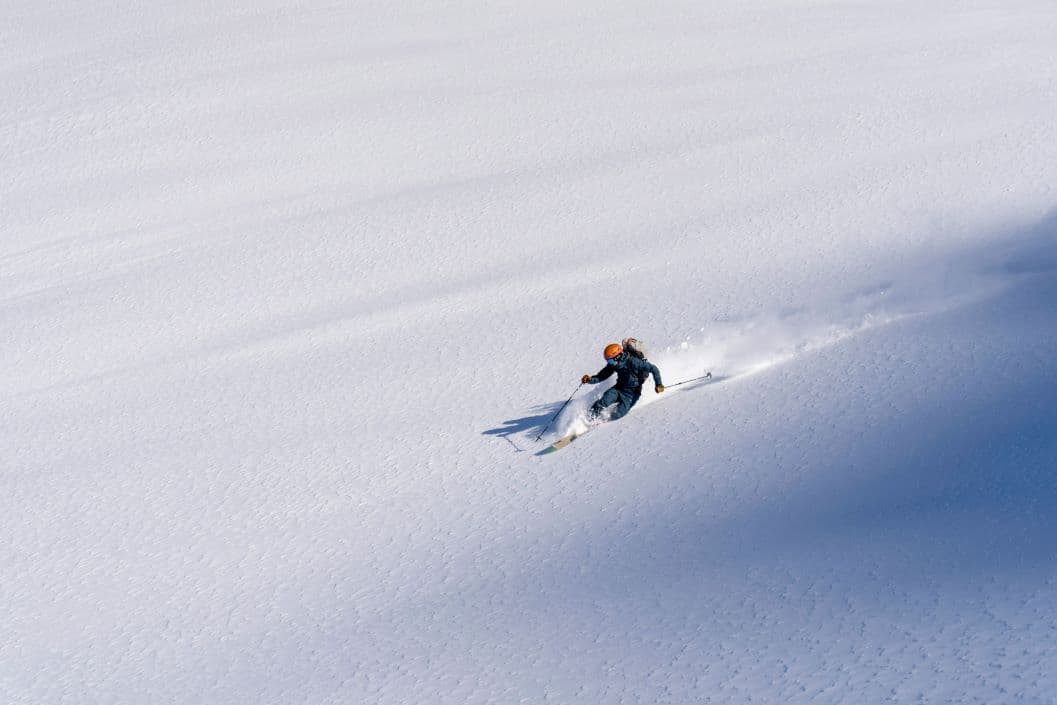
Austria and Italy can both deliver an excellent Alpine chalet holiday, but they do not offer the same experience with different food. Resort layout, village atmosphere, airport access, accommodation terminology and skiing patterns vary enough to change which country suits a particular group.
This Austria vs Italy ski holiday comparison is for UK travellers deciding where to search. It focuses on practical booking choices rather than attempting to declare a national winner.
The blunt answer is that Austria is often easier for visitors seeking a classic village-and-ski-school routine, while Italy can be stronger for food-led holidays, broad intermediate skiing and varied regional character. There are many exceptions, which is why the comparison needs more than a postcard.
Austria vs Italy ski holiday comparison
| Factor | Austria | Italy | Practical verdict |
|---|---|---|---|
| Village atmosphere | Strong Tyrolean and Salzburg village identity; lively après in famous resorts | Historic towns, Dolomite villages and purpose-built high resorts vary widely | Choose the actual resort, not the national stereotype |
| Beginner suitability | Extensive ski-school tradition and many manageable family areas | Excellent beginner terrain in selected resorts, especially broad high pistes and Dolomite areas | Both work; meeting-point logistics decide |
| Intermediate skiing | Strong across most major regions | Particularly strong in many Dolomite and Aosta Valley resorts | Italy often appeals to mileage-seeking intermediates |
| Advanced skiing | St Anton, Ischgl, Sölden and Arlberg are major draws | Arabba, Monterosa, Via Lattea and high-mountain western resorts offer serious options | Terrain and guidance matter more than country |
| Family routine | Many compact villages and established ski-school systems | Strong family resorts, but some transfers and valleys are complex | Austria may be simpler; Italy can offer broader food and town appeal |
| Non-skiers | Good in towns such as Kitzbühel, Zell am See and Innsbruck-linked destinations | Strong in Courmayeur, Cortina, Bormio and larger Dolomite towns | Italy has excellent town-led choices |
| Airport access | Innsbruck and Salzburg serve many resorts; Munich and Zurich broaden options | Turin, Milan, Geneva, Verona, Venice and Innsbruck serve different regions | Austria is often simpler geographically; Italy needs regional planning |
| Chalet choice | Wide range of apartments, chalets and guesthouses; terminology varies | Chalet, residence and apartment labels can overlap | Verify the property rather than trusting the category |
| Food culture | Mountain huts, Austrian dishes and lively après | Regional Italian food and long mountain lunches are major attractions | Italy usually wins for food-led groups |
| Summer appeal | Strong walking, lakes and family mountain infrastructure | Dolomites, Aosta Valley and Lombardy offer major walking and cycling options | Both support year-round content and stays |
Which country is easier for a first ski holiday?
Austria often has the clearer first-time proposition. Resorts such as Alpbach, Flachau and selected Salzburg or Tyrol valleys combine ski schools, recognisable village centres and straightforward winter routines.
That does not mean every Austrian destination is simple. St Anton can be intimidating for nervous beginners, and a chalet in an outlying hamlet can create daily bus dependency.
Italy can be equally suitable when the resort is selected carefully. Cervinia's broad terrain, Alta Badia's intermediate-friendly skiing and selected family areas in Trentino can work well. The challenge is geographic language: region, valley, village and ski-pass area are frequently confused.
A first-time visitor comparing Austria chalet regions with Italy chalet regions should shortlist resorts before properties.
Austria: where it is strongest
Traditional village holidays
Austria is particularly strong when visitors want a recognisable village with chalets, restaurants and a clear winter identity. Alpbach, Lech and many smaller Tyrolean or Salzburg settlements deliver this better than a purpose-built resort.
The limitation is that the prettiest village is not always beside the most useful lift. Alpbach and Inneralpbach illustrate why chalet location still needs examination.
Après-ski and lively resorts
St Anton, Ischgl, Mayrhofen and Sölden are associated with active evenings. This can be a strength for groups and a liability for families or light sleepers.
Do not use a national “Austria has great après” claim as a reason to book a quiet resort, or vice versa. Atmosphere varies sharply.
Ski schools and family infrastructure
Austria has a long-established ski-school system and many destinations actively structured around families. The practical advantage is often a manageable routine rather than a particular facility count.
Families should still verify lesson language, ages, meeting points and collection times. No chalet is automatically family-friendly because the resort promotes family skiing.
Access from Innsbruck and Salzburg
Innsbruck serves much of Tyrol, while Salzburg is useful for SalzburgerLand and parts of Styria. Seasonal UK flights can make these airports convenient.
Munich and Zurich provide alternatives, but longer transfers may erase the apparent advantage. Flight schedule and arrival time matter more than a map measurement.
Italy: where it is strongest
Regional variety
Italy's ski destinations span Aosta Valley, Piedmont, Lombardy, Trentino, South Tyrol and Veneto. Each has a distinct identity.
Courmayeur feels different from Cervinia despite sharing Aosta Valley. Livigno's long high valley differs from Bormio's historic town. Val Gardena and Alta Badia share Dolomite access but offer different village choices.
This variety rewards careful research and punishes generic “ski Italy” planning.
Food and mountain-lunch culture
Italy's regional food is a material holiday advantage. Mountain huts and village restaurants can make lunch part of the destination rather than an interruption.
The trade-off is time. Groups focused on covering maximum piste mileage may discover that a civilised lunch and a complex lift connection are not natural allies.
Food quality and opening patterns vary by venue. Do not assume every mountain restaurant is exceptional simply because it serves pasta above sea level.
Intermediate skiing
Many Italian areas suit confident intermediates. The Dolomites provide extensive red and blue terrain across multiple valleys, while Cervinia and Sestriere offer high, broad skiing.
Large pass coverage does not always mean direct linkage. Dolomiti Superski includes separate areas, and even connected circuits can be affected by weather, queues or navigation.
Town-led holidays and non-skiers
Courmayeur, Cortina, Bormio and Ortisei can support visitors who want restaurants, shops and winter atmosphere without skiing every day.
Italy is therefore strong for couples and mixed parties. The choice of central accommodation becomes more important when one person wants independence from the ski bus.
Beginners: Austria or Italy?
Austria is the safer default when the group wants a traditional ski-school holiday and a compact village. Alpbach, Flachau and family-led smaller resorts are useful starting points.
Italy can be better when broad, gentle high-altitude pistes and long lunches appeal. Cervinia and selected Alta Badia bases merit comparison.
The correct decision depends on:
- distance from chalet to nursery slope;
- English-language lesson availability;
- progression beyond the beginner area;
- whether stronger skiers can reach useful terrain;
- the route home;
- transfer complexity.
A beginner should not select St Anton because Austria is “good for first-timers”, or Arabba because the Dolomites look attractive. Country-level advice ends where the piste map begins.
Families: Austria or Italy?
Austria often wins on routine. Many resorts are set up around Saturday-to-Saturday family weeks, ski-school structures and compact village services.
Italy can win on the broader holiday. Family groups may value food, pedestrian town centres, mountain scenery and non-ski activities.
For young children, transfer length is decisive. A convenient Salzburg-to-Flachau journey may be easier than a long road transfer into the eastern Dolomites. For older children and teenagers, Livigno or a large linked Italian area may provide more variety.
Compare family ski resorts in Austria with family-suitable Italian destinations only after checking the exact lesson arrangements.
Couples and non-skiers
Italy has a strong shortlist: Courmayeur, Cortina, Bormio, Ortisei and Madonna di Campiglio. These destinations offer a broader town or village experience.
Austria counters with Kitzbühel, Lech, Zell am See and Innsbruck-accessible valleys. Austrian Christmas atmosphere and winter villages may be particularly appealing.
The chalet should be central enough for the non-skier to leave independently. A beautiful remote property can turn one member of the couple into an unpaid taxi customer.
Advanced skiers
Austria's Arlberg, Ischgl and Sölden are obvious comparisons for strong piste skiers and groups seeking large terrain.
Italy offers Arabba, Monterosa Ski, parts of Via Lattea, Courmayeur and high-mountain terrain around western resorts. Some of the most attractive options involve off-piste routes, glaciers or complex navigation.
Use qualified guides where required and check insurance. A famous itinerary is not transformed into a secured piste by appearing repeatedly on social media.
Airport and transfer comparison
Austria
Common UK gateways include Innsbruck, Salzburg, Munich and Zurich. Resort selection is often geographically intuitive: Tyrol through Innsbruck, SalzburgerLand through Salzburg, western Arlberg sometimes through Zurich.
Italy
Italy requires a regional approach:
- Turin for Piedmont and parts of Aosta Valley;
- Geneva for Courmayeur and western options;
- Milan or Bergamo for Lombardy;
- Verona, Venice or Innsbruck for different Dolomite valleys.
The closest airport may have limited flights, while a larger hub creates a longer road transfer. Compare the entire door-to-door journey.
Driving
Both countries are accessible by car from the UK for visitors willing to accept a long journey. Austria and Italy impose different motorway, toll and winter-equipment arrangements. Verify current official rules before travel.
A car can help with remote chalets but may be unnecessary in a well-connected resort. Parking availability should be confirmed before booking.
Chalet style and accommodation differences
Neither country uses “chalet” with perfect consistency.
In Austria, chalet searches may return apartments, guesthouses, detached houses and newer residence-style developments. In Italy, “chalet” can describe detached properties, apartment buildings or Alpine design.
Do not compare names. Compare:
- exclusive use;
- number and arrangement of bedrooms;
- bathrooms;
- kitchen and dining capacity;
- linen and cleaning terms;
- parking;
- lift and centre distance;
- cancellation conditions.
Claims such as ski-in/ski-out, luxury, wellness or family-friendly must be verified against the listing. ChaletAway compares available properties; the final booking provider confirms facilities and terms.
Price and value
A national price verdict is unreliable.
Austria's famous resorts can be expensive, particularly during Christmas, New Year and February school holidays. Smaller valleys may offer better accommodation value but limited inventory.
Italy can provide attractive mountain-food pricing and good-value apartments in selected areas. Courmayeur, Cortina, Alta Badia and premium Dolomite villages can be costly.
Calculate flights, ski baggage, transfers, accommodation, local charges, lift pass, lessons, hire, food and insurance. Italy may appear cheaper until a long private transfer is added. Austria may appear expensive until a short airport route removes a car-hire week.
Snow reliability and season choice
Country is a poor proxy for snow. Altitude, slope orientation, local climate and seasonal operations matter more.
Austria includes high resorts such as Obertauern, Ischgl and Sölden as well as lower valleys. Italy includes high Cervinia and Livigno alongside lower or sun-exposed sectors.
December requires early-season caution. January can be cold. February is busy. March offers longer days. Late Easter favours higher terrain and confirmed closing dates.
Cross-border links and exposed ridges can close in wind even when local pistes operate.
Summer chalet holidays
Austria has strong summer infrastructure around Tyrol, SalzburgerLand, lakes and family mountain regions. Italy offers the Dolomites, Aosta Valley and Lombardy for walking, cycling and climbing.
Austria may feel simpler for a first family mountain holiday because guest-card systems and village infrastructure are widespread. Italy's scenery and food can make it especially attractive to couples and active travellers.
Check lift opening dates, public transport and shoulder-season closures in both countries.
How to make the final choice
Choose Austria when:
- a classic village ski holiday is the main objective;
- a straightforward ski-school routine matters;
- Innsbruck or Salzburg flights work well;
- lively après or Austrian winter atmosphere is wanted;
- the group prefers a compact resort.
Choose Italy when:
- food and long mountain lunches are priorities;
- broad intermediate skiing appeals;
- town atmosphere matters for non-skiers;
- a Dolomite or Aosta Valley landscape is the main draw;
- the group accepts more detailed transfer planning.
Then ignore the country comparison and assess two actual resorts. Compare chalet location, ski school, transfer and total price. That is where the useful decision is made.
Compare Austrian and Italian chalets
Search chalets across Austria and compare available stays in Italy with the same dates and group size. Check the exact resort, village and lift access, then continue to the booking provider to confirm final availability, price and conditions.
Frequently asked questions
Is Austria or Italy better for beginner skiers?
Austria is often simpler for a traditional ski-school routine, while Italy has excellent beginner terrain in resorts such as Cervinia and Alta Badia. The exact nursery slope, lesson meeting point and chalet location decide more than the country.
Is skiing cheaper in Italy than Austria?
Not consistently. Italy can offer good food and apartment value, while premium resorts remain expensive. Austria may have higher accommodation prices in famous resorts but shorter transfers for some UK flights. Compare total cost.
Which country is better for families?
Austria often provides a simpler resort routine, while Italy can offer excellent food, scenery and town-based alternatives for non-skiers. Children's ages, transfer length and ski-school logistics should decide.
Which country is better for advanced skiing?
Both have serious terrain. Austria offers Arlberg, Ischgl and Sölden; Italy offers Arabba, Monterosa, Via Lattea and high-mountain western resorts. Off-piste routes require suitable guidance and insurance.
Which is better for a summer chalet holiday?
Both are strong. Austria offers established family mountain regions and lakes, while Italy offers the Dolomites, Aosta Valley and Lombardy for walking, cycling and food-led holidays.
Related articles
Tyrol Chalet Holidays: Best Resorts and Where to Stay
A practical guide to Tyrol's main chalet resorts, airport choices, traveller suitability and the location trade-offs that matter.
Best Chalet Regions in Austria: A First-Timer’s Guide
A practical comparison of Austria’s leading chalet regions for first-time visitors, including who each region suits and what to consider before booking.
Chamonix Chalet Holiday Guide: Where to Stay and Who It Suits
A practical guide to Chamonix's separate ski areas, valley villages, transfers and chalet locations for UK travellers.