First Ski Holiday in Italy: A Complete Guide for UK Travellers
A first-timer's guide to choosing an Italian ski region, resort, airport and chalet location without confusing valleys, passes and villages.
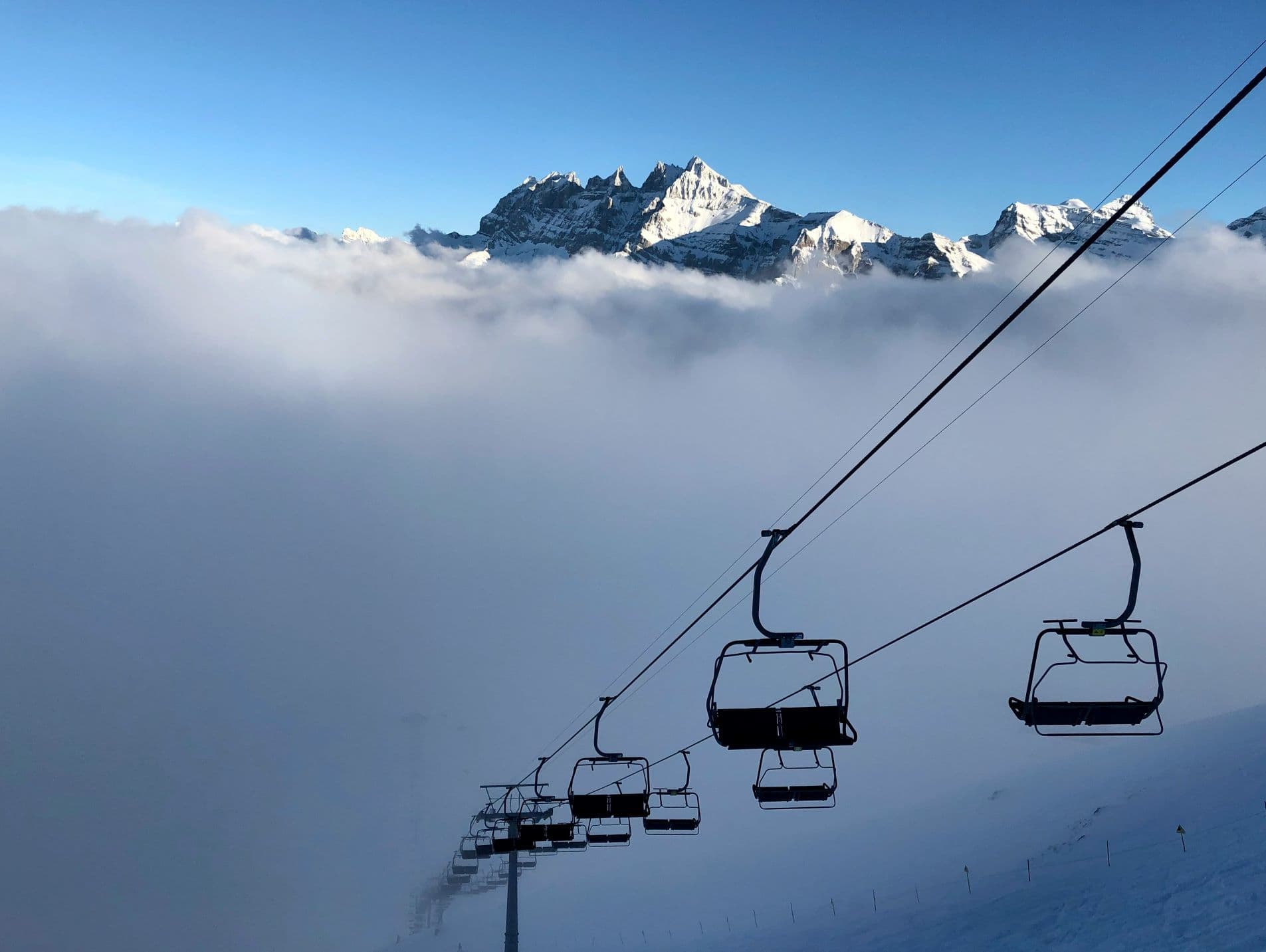
Italy is not one ski destination. Its Alpine resorts stretch across several regions, languages and very different mountain landscapes. A first-time visitor can choose a high resort near the Swiss border, a linked Dolomite valley, a purpose-built Piedmont base or a traditional town beneath Mont Blanc.
That variety makes a first ski holiday in Italy appealing, but it also creates avoidable confusion. A listing may describe a province, valley, ski area, municipality or village, and those labels are not interchangeable.
This guide explains the main Italian ski regions for UK travellers, the resorts most useful to compare, airport and transfer choices, chalet-location decisions and the trade-offs between Italian destinations.
Is Italy good for a first ski holiday?
Italy can work extremely well for beginners, families, couples and mixed groups. Many resorts combine broad intermediate terrain with mountain restaurants and a less frantic evening atmosphere than some famous party destinations elsewhere in the Alps.
The country is also strong for groups who care about food and want a ski holiday that still feels recognisably Italian. That is a legitimate selection criterion, although lunch should not be allowed to conceal poor chalet logistics.
Not every Italian resort is simple. Some ski areas contain several valleys and villages. Transfers can be long, especially to the eastern Dolomites or Livigno. Accommodation described as being in a famous region may sit far from the lift or village centre.
Italy is not automatically cheaper than France or Austria. Lift passes, lessons, transfers and peak-week accommodation still add up. Compare the total holiday rather than relying on a national stereotype.
First ski holiday in Italy: understand the geography
Italy's main Alpine ski regions include:
- Aosta Valley, a small autonomous region bordering France and Switzerland;
- Piedmont, including the Via Lattea area around Sestriere;
- Lombardy, including Livigno and Bormio;
- Trentino, including Val di Fassa and Madonna di Campiglio;
- South Tyrol, officially the Autonomous Province of Bolzano, where German and Italian place names are both common;
- Veneto, including Cortina d'Ampezzo and parts of the Dolomites.
The Dolomites cross provincial and regional boundaries. Dolomiti Superski is a large lift-pass federation covering multiple ski areas; it is not one continuously linked resort. Some sectors connect directly, while others require road travel.
Similarly, the Sellaronda is a ski circuit around the Sella massif, accessed from several valleys. Choosing “the Sellaronda” does not determine where the chalet should be.
Italian resorts for first-time visitors compared
| Resort or area | Region | Particularly suitable for | Likely airport shortlist | Main trade-off |
|---|---|---|---|---|
| Cervinia | Aosta Valley | Beginners; intermediates; snow-focused groups | Turin; Milan; Geneva | High-altitude resort character and exposed weather |
| Courmayeur | Aosta Valley | Couples; non-skiers; mixed groups; confident skiers | Geneva; Turin; Milan | Local piste area is not as extensive as some linked competitors |
| Sestriere | Piedmont | Mixed abilities; groups wanting linked mileage | Turin | Purpose-built feel and spread-out Via Lattea navigation |
| Livigno | Lombardy | Families; intermediates; non-skiers; freestyle visitors | Milan; Bergamo; Innsbruck depending on route | Long transfer and mountain-pass access |
| Val Gardena | South Tyrol | Intermediates; scenic skiing; mixed groups | Innsbruck; Verona; Venice | Several villages with different access and price levels |
| Alta Badia | South Tyrol | Beginners; intermediates; food-focused couples | Innsbruck; Venice; Verona | Premium peak-week pricing and a long road transfer |
| Canazei and Val di Fassa | Trentino | Intermediates; Sellaronda access; mixed groups | Verona; Venice; Innsbruck | Busy strategic location and complex valley geography |
| Madonna di Campiglio | Trentino | Families; couples; mixed abilities | Verona; Bergamo; Milan | Transfer distance and potentially high accommodation cost |
| Cortina d'Ampezzo | Veneto | Couples; non-skiers; scenery-led visitors | Venice; Treviso; Innsbruck | Separate ski sectors and premium reputation |
Aosta Valley: western Italy and high mountains
The Aosta Valley lies between France, Switzerland and Piedmont. It contains several of Italy's best-known ski destinations and some of the Alps' highest peaks.
Cervinia
Cervinia sits beneath the Matterhorn, known in Italian as Monte Cervino. It links with Valtournenche and, subject to weather and operations, across the border towards Zermatt.
Its high-altitude terrain and broad pistes make it a credible beginner and intermediate option. The weakness is exposure: wind and cross-border closures can disrupt the grand plan.
A first-time group should not choose Cervinia solely because it links internationally. Check whether the local Italian terrain is sufficient for the week and whether the chalet is near the village lifts or dependent on a shuttle.
Courmayeur
Courmayeur sits on the Italian side of Mont Blanc, close to the French border through the Mont Blanc Tunnel. It is a historic town with restaurants, shops and non-ski appeal.
The official Italian tourism site describes Courmayeur as an established Aosta Valley mountain destination with a traditional centre. It can suit couples and mixed parties better than a purely piste-led resort.
The local ski area is not enormous. Strong skiers may be attracted by guided high-mountain opportunities, but those require suitable experience, professional guidance and insurance.
Search accommodation in Courmayeur.
Piedmont: Via Lattea and Turin access
Sestriere is the best-known Italian base in the Via Lattea, or Milky Way, network spanning several Piedmont villages and crossing into Montgenèvre in France.
Sestriere
Sestriere is high and relatively snow-focused. It suits groups wanting access to a broad linked area and a resort designed around winter sport.
The trade-off is atmosphere. It is more purpose-built than Courmayeur or many Dolomite villages. Some visitors value the convenience; others find it less characterful.
Turin is normally the first airport to compare. Transfers should still account for weekend traffic and the exact village if the property is elsewhere in Via Lattea.
Lombardy: Livigno and remote high valleys
Livigno
Livigno is a long, high valley close to Switzerland. Its ski terrain lies on both sides of the settlement, and the village stretches for several kilometres.
This makes accommodation location particularly important. A chalet can be in Livigno yet inconvenient for the lift, ski school or centre the group expects to use.
Livigno suits intermediates, families and non-skiers who value a substantial town and winter activities. It also has a strong freestyle reputation.
The main compromise is the transfer. Several airport routes are possible, but none should be assumed to be quick. Mountain-pass conditions and seasonal transport arrangements matter.
The Dolomites: choose a valley, not merely a pass
The Dolomites cover parts of South Tyrol, Trentino and Veneto. Dolomiti Superski includes multiple separate areas under a wider pass structure. The official network describes twelve ski areas, reinforcing why visitors must distinguish a pass region from a connected local domain.
Val Gardena
Val Gardena contains Ortisei, Santa Cristina and Selva di Val Gardena. These villages differ in atmosphere, lift access and price.
Selva is especially useful for direct Sellaronda access. Ortisei provides a larger town feel and access towards Seceda and Alpe di Siusi, but it is not the same daily ski routine. Santa Cristina sits between them.
Val Gardena is strong for intermediates, mixed groups and visitors prioritising scenery. Beginners should check their chosen village's nursery slopes and progression routes.
Compare chalets in Selva di Val Gardena.
Alta Badia
Alta Badia includes villages such as Corvara, Colfosco, La Villa and San Cassiano. It is known for broad skiing, Dolomite scenery and mountain food.
Corvara and Colfosco are practical for linked skiing, while San Cassiano may suit visitors prioritising village atmosphere and dining. The trade-off is that premium locations can be expensive.
Search accommodation in Alta Badia.
Val di Fassa and Canazei
Val di Fassa is in Trentino and includes several settlements. Canazei is a well-known base for Sellaronda access, but other villages may offer a different balance of price and local skiing.
This area suits intermediates and groups wanting to explore linked Dolomite sectors. Beginners must check whether the chalet sits near the appropriate learning area rather than merely near a major gondola.
Cortina d'Ampezzo
Cortina is in Veneto. It is a substantial town with shopping, restaurants, winter history and several ski sectors.
It can suit couples and non-skiers, but visitors expecting a single fully linked piste network need to study the map. Transport between sectors may form part of the day.
Search chalets in Cortina d'Ampezzo.
Match the Italian resort to the traveller
Beginners
Prioritise nursery-slope location, English-language lesson availability, gentle progression and a manageable return to the village. Cervinia, Alta Badia and selected Dolomite bases can work well, but each contains location-specific differences.
Do not buy the broadest regional pass automatically. Beginners may use a limited local area for several days.
Families
Families should check ski-school times, childcare, equipment storage, supermarket access and whether lunchtime collection is required. A long transfer can be acceptable for a week, but less attractive with young children and a late arrival.
Livigno, Cervinia, Alta Badia and Madonna di Campiglio merit comparison. No property should be labelled family-friendly without checking its layout and facilities.
Couples and non-skiers
Courmayeur, Cortina, Ortisei and Madonna di Campiglio offer stronger town or village life than a small piste base. Check pedestrian lift access and winter walking rather than assuming all lifts accept non-skiers.
Advanced skiers
Advanced groups may look at Alagna and Monterosa Ski, Arabba, parts of Via Lattea, Courmayeur or the steeper sectors around major Dolomite areas. Off-piste and glaciated routes require qualified guidance and appropriate insurance.
Mixed-ability groups
The best mixed-ability resort has terrain for everyone from a common base and sensible meeting points. Val Gardena, Alta Badia, Cervinia, Sestriere and Madonna di Campiglio can work, but exact village choice matters.
Airports and transfers from the UK
Turin
Turin is useful for Piedmont and parts of the Aosta Valley. It is usually the first airport to compare for Sestriere.
Milan and Bergamo
Milan's airports provide broad flight choice for Lombardy and can also serve Aosta Valley or Trentino journeys. “Milan Airport” is not one place, so check whether the flight uses Malpensa, Linate or Bergamo.
Geneva
Geneva can be practical for Courmayeur and sometimes other western Italian resorts. Transfers cross borders and may pass through or around the Mont Blanc area.
Verona, Venice and Innsbruck
Verona and Venice are common gateways for parts of the Dolomites and Trentino. Innsbruck in Austria can be practical for South Tyrol, but cross-border car hire and transfer conditions must be checked.
Always compare the actual flight day, landing time, ski-baggage charge and final transfer. A geographically closer airport with poor winter schedules may be less useful than a larger hub.
Where should your Italian chalet be?
Near the correct lift
In a multi-village area, “near a lift” is not enough. Identify which sector it serves, whether it reaches the terrain your group wants and whether beginners meet elsewhere.
In the town or village centre
A central property can make restaurants and shops easier. It may also mean noise, higher prices or a bus to the slopes.
In an outlying hamlet
Outer villages can offer space and value. Check the last ski bus, road gradient and whether a car is needed for food shopping.
Italian accommodation terminology varies. A “chalet” may describe a detached Alpine property, a larger apartment building or a design style. Judge the actual property details rather than the label.
When should you travel?
December can offer festive atmosphere but uncertain early-season coverage. January is often quieter outside New Year. February attracts school-holiday demand across Europe. March brings longer days and can suit high resorts. Easter requires careful attention to altitude and closing dates.
The Dolomites and Italian Alps also support summer walking, cycling and climbing. Some lifts and businesses close between seasons, so a year-round town does not guarantee full operation every week.
What to book before travelling
Arrange lessons, equipment, airport transfer, travel insurance and essential childcare before departure. Check whether the accommodation price includes linen, cleaning or local charges and review the booking provider's cancellation conditions.
For cross-border ski areas, confirm that the chosen pass and insurance cover the intended route. Border links can close because of wind or operational conditions even when local skiing remains open.
Search for your first Italian chalet
Start by comparing Italy's main chalet regions, then search available chalets in Italy with ChaletAway. Filter by destination, dates and group size, verify the exact village and lift access, and continue to the booking provider to confirm the final price and conditions.
Frequently asked questions
Which Italian ski resort is best for beginners?
Cervinia, Alta Badia and selected Dolomite resorts are sensible places to compare. The best choice depends on nursery-slope location, ski-school meeting points, progression terrain and the exact village.
Are Italian ski holidays cheaper than Austria or France?
Not automatically. Mountain meals and some accommodation can offer good value, but peak-week chalets, transfers, lessons and lift passes remain substantial costs. Compare the complete trip.
Which airport is best for the Italian Alps?
It depends on the region. Turin serves Piedmont and parts of Aosta Valley; Milan and Bergamo are useful for Lombardy; Verona, Venice and Innsbruck can serve different Dolomite valleys; Geneva can work for Courmayeur.
Is Dolomiti Superski one connected ski area?
No. It is a wider pass federation covering multiple ski areas. Some sectors are directly linked, while others require road travel. Choose the valley and village before judging the usefulness of the wider pass.
Do Italian ski resorts have chalets?
Yes, although accommodation terminology varies. Listings may use chalet for detached properties, apartments or Alpine-style buildings. Check the actual layout, facilities, location and booking conditions.
Related articles
Best Chalet Regions in Italy: A First-Timer's Guide
A practical regional guide to Italy's main chalet destinations, airport choices, resort styles and traveller suitability.
Austria vs Italy Ski Holiday: Which Is Better for a Chalet Trip?
An honest Austria-versus-Italy comparison for UK travellers choosing a chalet holiday, with practical trade-offs rather than a fictional national winner.
First Ski Holiday in Austria: A Complete Guide for UK Travellers
A practical guide to choosing the right Austrian resort, airport, transfer and chalet location for your first ski holiday from the UK.