Best Chalet Regions in Italy: A First-Timer's Guide
A practical regional guide to Italy's main chalet destinations, airport choices, resort styles and traveller suitability.
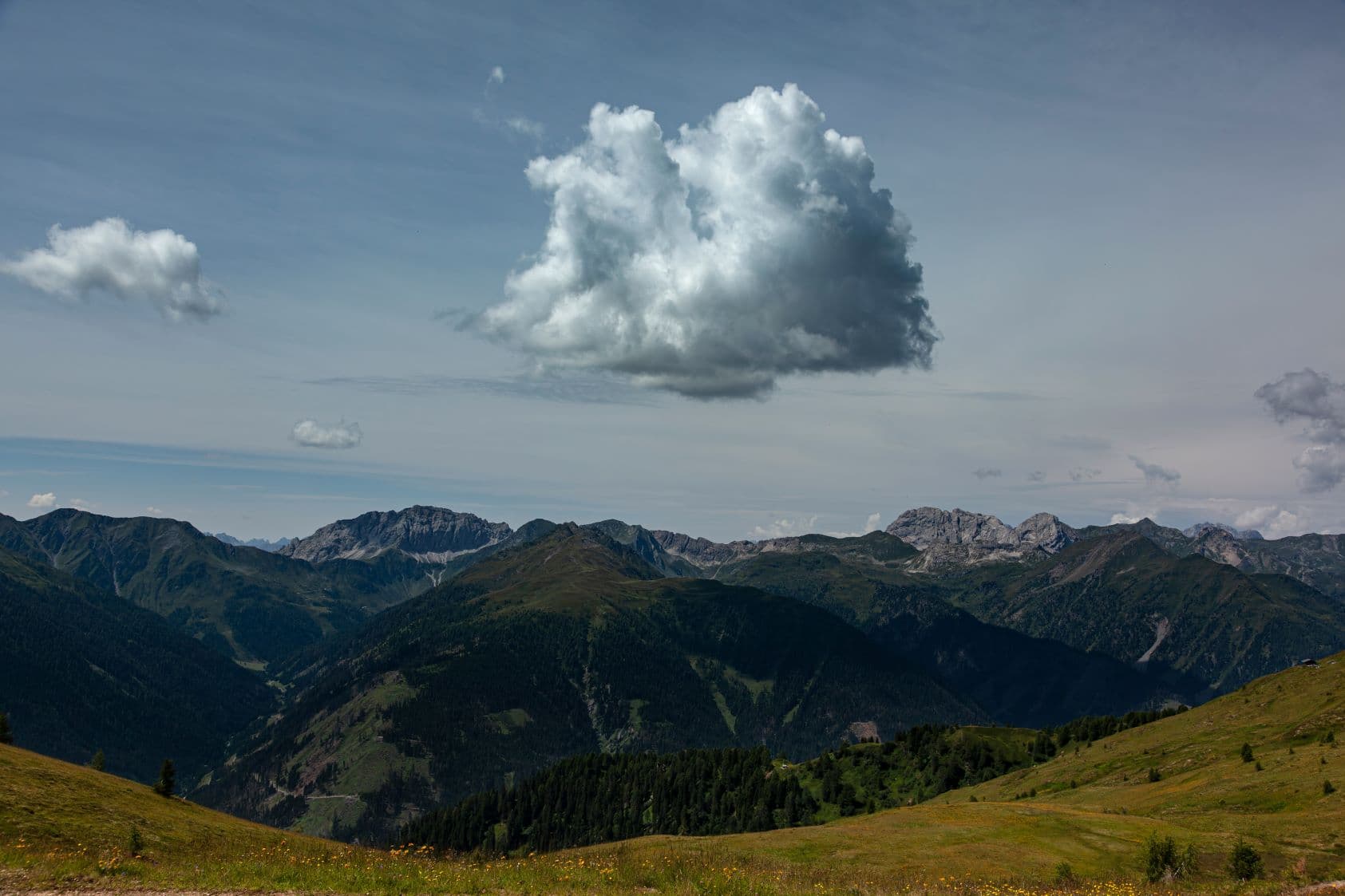
Choosing the best Italian chalet destination begins with regions, not resort names. Italy's northern mountains cover distinct landscapes and cultures: high western valleys beneath Mont Blanc and the Matterhorn, Piedmont's cross-border ski networks, Lombardy's remote high resorts, and the Dolomite valleys of Trentino, South Tyrol and Veneto.
This guide to the best chalet regions in Italy is designed for first-time UK visitors deciding where to search. It compares the regions by resort style, airport access, skiing level, family suitability, atmosphere and summer potential.
It does not rank one region as universally superior. The strongest choice is the one matching the group's actual priorities and transport tolerance.
Best chalet regions in Italy at a glance
| Region or province | Key chalet destinations | Best for | Airport shortlist | Principal trade-off |
|---|---|---|---|---|
| Aosta Valley | Courmayeur; Cervinia; La Thuile; Monterosa valleys | High mountains; couples; mixed groups; cross-border skiing | Turin; Geneva; Milan | Road transfers and weather-sensitive international links |
| Piedmont | Sestriere; Sauze d'Oulx; Bardonecchia | Linked mileage; groups; Turin access | Turin | Purpose-built or dispersed resort character in some bases |
| Lombardy | Livigno; Bormio; Aprica | High valleys; families; intermediates; summer mountains | Milan; Bergamo; Innsbruck depending on route | Long transfers to the most attractive resorts |
| Trentino | Val di Fassa; Madonna di Campiglio; Val di Fiemme | Families; intermediates; Dolomite scenery | Verona; Venice; Bergamo | Several valleys and complex local geography |
| South Tyrol | Val Gardena; Alta Badia; Kronplatz; 3 Zinnen | Scenic skiing; food; mixed abilities; summer walking | Innsbruck; Verona; Venice | Premium areas and multilingual place names can confuse planning |
| Veneto | Cortina d'Ampezzo; Arabba; Civetta | Scenery; couples; advanced sectors; summer mountains | Venice; Treviso; Innsbruck | Separate ski sectors and longer road transfers |
Aosta Valley: high western Alps and major-name resorts
The Aosta Valley is Italy's smallest region and sits against France and Switzerland. Its mountain geography includes Mont Blanc, the Matterhorn and Monte Rosa.
For chalet holidays, its strongest advantage is variety within a relatively compact region. Courmayeur offers a genuine town beneath Mont Blanc. Cervinia provides high skiing beneath the Matterhorn. La Thuile connects towards La Rosière in France when operations permit. The Monterosa valleys offer a different, more dispersed mountain experience.
Courmayeur
Courmayeur suits couples, non-skiers and mixed parties wanting restaurants and town atmosphere. Its local piste network is not the largest, so mileage-focused groups should assess whether the complete holiday still fits.
Cervinia
Cervinia suits beginners, intermediates and groups prioritising altitude. Cross-border access towards Zermatt is an attraction, but wind and weather can close that connection.
La Thuile and Monterosa
La Thuile appeals to groups wanting quieter cross-border skiing. The Monterosa area spans valleys including Champoluc, Gressoney and Alagna. These bases differ substantially: selecting “Monterosa” is not enough to determine chalet location.
Aosta Valley trade-offs
Geneva, Turin and Milan can all be relevant depending on the resort and schedule. Transfers are road-based for many visitors, and border crossings add complexity. The region is strong for high-mountain appeal but demands careful weather and insurance planning for off-piste ambitions.
Piedmont: Via Lattea and relatively direct Turin access
Piedmont's best-known ski region is Via Lattea, the Milky Way, linking Italian resorts and Montgenèvre in France.
Sestriere
Sestriere is high and winter-sport focused. It suits groups wanting access to extensive linked terrain, including varied piste levels.
Its purpose-built appearance divides opinion. Some visitors value practical ski access; others prefer a historic village.
Sauze d'Oulx
Sauze d'Oulx offers an older village core and access into Via Lattea. It has a livelier reputation and can suit groups wanting a balance between skiing and evenings.
Bardonecchia
Bardonecchia lies closer to the French border and has railway access from Turin. It is not linked into Via Lattea and should be assessed as its own destination.
Piedmont trade-offs
Turin is the obvious airport to compare, which can simplify planning. The wider ski network is large, but navigation between villages and sectors may be less seamless than the piste map implies. Accommodation should be selected around the intended local lift, not just the regional pass.
Lombardy: Livigno, Bormio and long mountain journeys
Lombardy contains major cities and remote Alpine valleys. Its chalet destinations often reward visitors willing to accept a longer transfer.
Livigno
Livigno is a high, elongated resort close to Switzerland. It offers terrain on both sides of the valley, a substantial town and non-ski activities.
The long settlement makes chalet position important. Identify whether the group wants access to Mottolino, Carosello, ski school or the centre.
Bormio
Bormio combines a historic town, steep local skiing and thermal-bath appeal. It can suit couples, confident skiers and non-skiers wanting more than a purpose-built resort.
Aprica
Aprica is a smaller Lombardy option with a more local profile. It may suit families and value-conscious groups, though chalet inventory can be limited.
Lombardy trade-offs
Milan and Bergamo provide flight choice, but the onward journey can be long. Livigno may also be approached from Innsbruck or through Switzerland depending on seasonal road access. Transfer simplicity should be checked before comparing accommodation prices.
Trentino: Dolomite valleys and family breadth
Trentino lies south of South Tyrol and contains several major mountain valleys. Italian is the principal language, although local Ladin culture is present in parts of the Dolomites.
Val di Fassa
Val di Fassa includes Canazei, Campitello, Pozza and other villages. Canazei and Campitello are often selected for Sellaronda access, while other bases may offer different local skiing and value.
Compare chalets in Canazei, but verify whether the property sits in the correct village for the intended lift.
Madonna di Campiglio
Madonna di Campiglio combines a polished resort centre with linked skiing across the surrounding area. It can suit families, couples and mixed groups.
Peak-week prices and transfer distance are the main constraints.
Val di Fiemme and San Martino di Castrozza
Val di Fiemme offers several ski areas rather than one central resort. San Martino di Castrozza provides dramatic Pale di San Martino scenery and a more self-contained destination.
Trentino trade-offs
The region is strong for families and intermediates, but “Trentino” does not identify one ski area. Verona, Venice, Bergamo and sometimes Innsbruck can be relevant airports. Road transfers vary significantly by valley.
South Tyrol: Alpine Italy with German and Ladin influences
South Tyrol is the Autonomous Province of Bolzano. German and Italian are both widely used, and many places have two official names. Val Gardena is also known as Gröden; Ortisei as St Ulrich; Selva di Val Gardena as Wolkenstein.
This is not cosmetic detail. Airport transfers, road signs and accommodation listings may use different names for the same place.
Val Gardena
Val Gardena includes Ortisei, Santa Cristina and Selva. Selva di Val Gardena is strategically placed for Sellaronda access, while Ortisei provides a broader town base and access towards Seceda and Alpe di Siusi.
Val Gardena suits intermediates, scenery-led visitors and mixed groups. Village choice affects convenience and price.
Alta Badia
Alta Badia includes Corvara, Colfosco, La Villa and San Cassiano. It is strong for beginners, intermediates and food-focused holidays.
Corvara and Colfosco are practical for linked skiing, while San Cassiano can offer a quieter, polished village experience.
Kronplatz and 3 Zinnen
Kronplatz offers a distinctive central mountain with several access towns. 3 Zinnen Dolomites lies farther east and may suit families and visitors seeking a less internationally dominant base.
South Tyrol trade-offs
The region delivers scenery, food and summer appeal, but some valleys command premium prices. Innsbruck can be geographically useful, while Verona and Venice may offer broader flights. Cross-border car-hire conditions must be checked.
Veneto: Cortina, Arabba and eastern Dolomite scenery
Veneto extends from the Adriatic to the Dolomites. Its chalet destinations include internationally known Cortina and smaller ski-led villages.
Cortina d'Ampezzo
Cortina d'Ampezzo is a substantial town with restaurants, shopping and several ski sectors. It suits couples, non-skiers and visitors who value atmosphere alongside skiing.
The ski sectors are not all one continuous network. Study transport and lift access before choosing a chalet.
Arabba
Arabba is smaller and more ski-focused. It provides strategic access towards the Sellaronda and Marmolada sectors and can suit confident intermediates and advanced skiers.
The village offers less non-ski independence than Cortina.
Civetta
The Civetta area includes villages such as Alleghe and Selva di Cadore. It can appeal to families and visitors wanting quieter Dolomite scenery, but airport transfers remain substantial.
Veneto trade-offs
Venice and Treviso are common gateways, while Innsbruck can be relevant for some routes. Cortina's international reputation can increase prices. Smaller villages reduce evening choice.
Which Italian chalet region suits your group?
First-time skiers
Aosta Valley destinations such as Cervinia, and South Tyrol areas such as Alta Badia, deserve comparison. The decisive factors are nursery-slope location, lesson availability and easy progression.
Families
Trentino, South Tyrol and Livigno offer many family-oriented options, but no region guarantees a family-suitable property. Check bedroom layout, ski-school logistics, equipment storage and transfer length.
Couples and non-skiers
Courmayeur, Cortina, Ortisei, Bormio and Madonna di Campiglio provide stronger town life. Choose a central base when independent cafés, shops and walking matter.
Advanced skiers
Arabba, Alagna, Courmayeur, Sestriere and selected sectors across the Dolomites can suit stronger skiers. Off-piste terrain requires appropriate guidance and insurance.
Mixed-ability groups
Val Gardena, Alta Badia, Cervinia, Sestriere and Madonna di Campiglio offer varied terrain. The group should identify a common lift base and meeting points rather than relying on the overall piste total.
Airport and transfer decisions by region
| Region | Airports commonly worth comparing | Transfer warning |
|---|---|---|
| Aosta Valley | Turin; Geneva; Milan | Border routes and Mont Blanc traffic can affect timing |
| Piedmont | Turin | Via Lattea villages have different final journeys |
| Lombardy | Milan Malpensa; Bergamo; Innsbruck for selected routes | High valleys can involve long or weather-sensitive roads |
| Trentino | Verona; Venice; Bergamo; Innsbruck | Each valley has a different road approach |
| South Tyrol | Innsbruck; Verona; Venice | Cross-border hire and bilingual place names need checking |
| Veneto Dolomites | Venice; Treviso; Innsbruck | Weekend road traffic and mountain weather affect transfers |
Flight availability changes by season. Compare landing time, ski baggage, child seats, shared-transfer schedules and the precise drop-off village.
Chalet-location rules for Italy
First, identify whether the listing names a region, valley or village. “Val Gardena chalet” may be in Ortisei, Santa Cristina or Selva. “Monterosa accommodation” may be in a different valley from the lift the group expects.
Second, check the useful lift rather than the nearest lift. Beginners may meet at another sector, and Sellaronda access can be inconvenient from an otherwise attractive village.
Third, verify the evening routine. A hillside chalet can have excellent views and still require a car for every meal.
Fourth, treat property labels cautiously. Chalet, lodge, residence and apartment can be used inconsistently. Review the actual configuration and facilities.
Winter and summer appeal
Aosta Valley, Lombardy and the Dolomites all support substantial summer mountain tourism. Courmayeur, Livigno, Val Gardena, Alta Badia and Cortina can work for walking, cycling and family mountain holidays.
Summer lift schedules differ from winter, and shoulder seasons can be quiet. A year-round town provides more fallback options than a small ski village.
For a winter-only decision, prioritise snow pattern, altitude, sector orientation and closing dates. None guarantees conditions.
Choose the region before the chalet
Create a shortlist of two regions based on airport, traveller type and desired atmosphere. Then choose specific villages and only afterwards compare properties.
This order prevents an attractive chalet from dictating a poor destination choice. The building matters, but the daily lift, bus and restaurant routine matters seven times during a week.
Read the first ski holiday in Italy guide for detailed planning, or compare Austria and Italy for a chalet holiday.
Search for chalets across Italy
Compare available chalets in Italy with ChaletAway. Search by destination, dates and group size, then verify the exact village, lift access, airport transfer and booking-provider conditions before committing.
Frequently asked questions
Which is the best Italian chalet region for first-time skiers?
Aosta Valley and South Tyrol are strong starting points because resorts such as Cervinia and Alta Badia can suit beginners. The exact village, ski school and chalet location are more important than the regional label.
Which Italian region is best for the Dolomites?
The Dolomites span South Tyrol, Trentino and Veneto. Val Gardena and Alta Badia are in South Tyrol, Val di Fassa is in Trentino, and Cortina and Arabba are in Veneto.
Which Italian chalet region is easiest from the UK?
Piedmont can be practical through Turin, while Aosta Valley can work through Turin, Geneva or Milan. Ease depends on seasonal flights, arrival time and the exact resort rather than distance alone.
Are Italian chalet regions good for summer holidays?
Yes. Aosta Valley, Lombardy and the Dolomites offer walking, cycling and mountain activities. Check summer lift schedules and whether the village remains active outside winter.
Is South Tyrol part of Italy or Austria?
South Tyrol is in Italy and forms the Autonomous Province of Bolzano. German and Italian are both widely used, so destinations often appear under two names.
Related articles
First Ski Holiday in Italy: A Complete Guide for UK Travellers
A first-timer's guide to choosing an Italian ski region, resort, airport and chalet location without confusing valleys, passes and villages.
Austria vs Italy Ski Holiday: Which Is Better for a Chalet Trip?
An honest Austria-versus-Italy comparison for UK travellers choosing a chalet holiday, with practical trade-offs rather than a fictional national winner.